
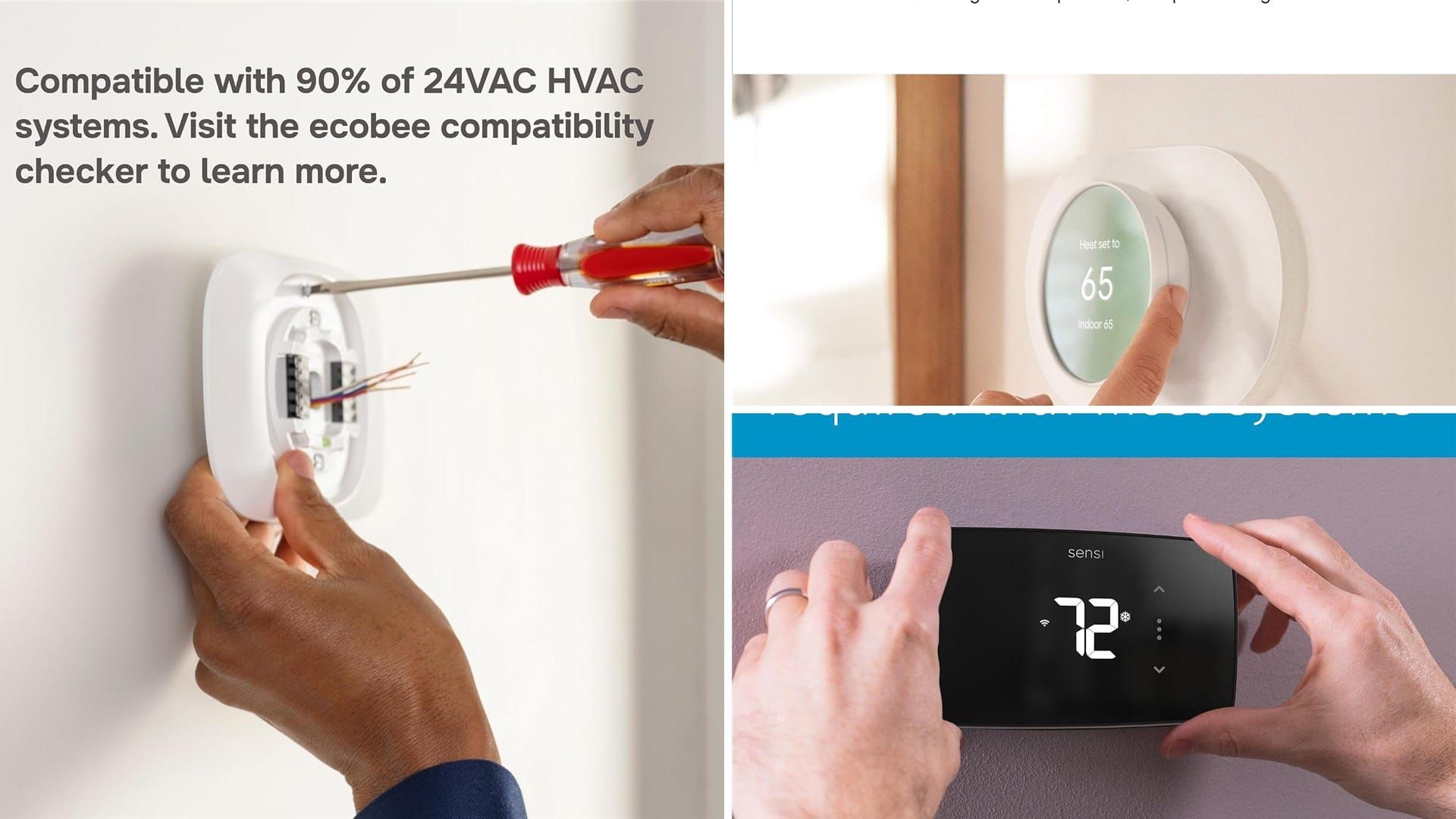



You pull the old thermostat off the wall, look at the wires, and there's no C-wire. Now the smart thermostat you bought says it needs one, and you're not calling an electrician to fish a new wire through the wall. Good news: some models run without it, and a couple include a small adapter. Here are the 4 best options for a smart thermostat without C-wire in 2026, with the catches spelled out.
What to Look For in a Smart Thermostat Without C-Wire
Check your wires first. Take the cover off your current thermostat and look for a wire on the terminal marked C. Write down which letters have wires (R, W, Y, G and so on) and take a photo. Every maker has a compatibility checker, and it takes two minutes.
Know your system type. Heat-only, cool-only, zone-controlled and heat pump systems are the ones most likely to need a C-wire or an adapter, even on thermostats that skip it for a standard furnace and AC setup.
Adapter or built-in battery. Some thermostats borrow power from the other wires or use a rechargeable battery. Others ship with a power extender kit that installs at the furnace. Both work, but the adapter means one more step at the HVAC board.
Voltage. These are all low-voltage (24V) thermostats. If your wall unit has thick wires or says 120V or 240V, you have a line-voltage system (like baseboard heaters) and none of these will work.
Extras you'll actually use. Room sensors help if one room is always hotter than the rest. Voice control and phone scheduling are nice. We'd skip anything you won't set up.
The 4 Best Smart Thermostats Without C-Wire in 2026
1. Google Nest Thermostat
Best for: most homes with a standard furnace and AC and no C-wire.
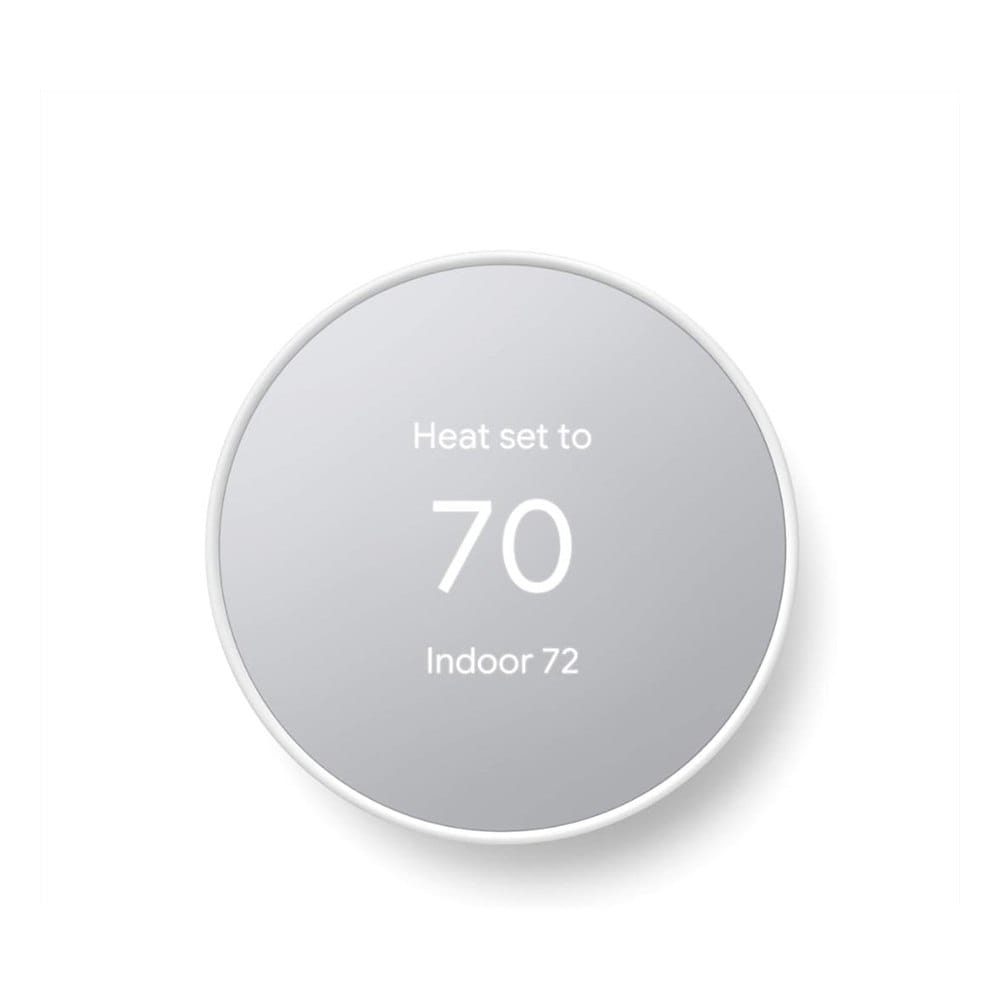
This is the simple one. A round, programmable thermostat that works with the Google Home app. Google says it's compatible with about 85% of systems and runs without a C-wire in most homes. With almost 30,000 Amazon reviews, it's the most-reviewed thermostat here.
What makes it stand out: The price, the easy install, and the Eco mode that sets itself back when you leave. It has the lowest cost of the Nest options.
Good to know: Google's own listing says heat-only, cool-only, zone-controlled and heat pump systems may need a C-wire or a compatible power accessory. It also has no room sensor support. Its 4.1-star rating is the lowest of the four, and some of that comes from wiring trouble.
2. ecobee Smart Thermostat Enhanced
Best for: a system with no C-wire where you want a power adapter in the box.
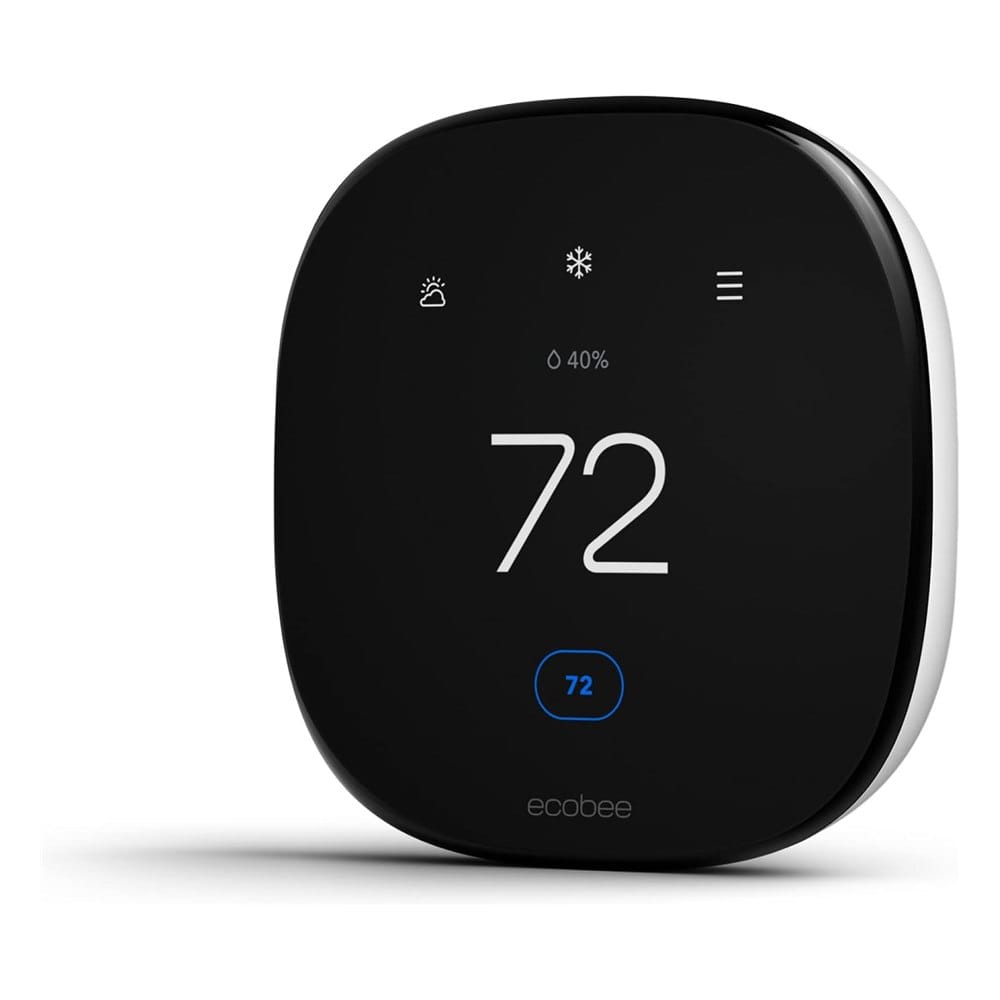
ecobee says this one is compatible with about 90% of 24V HVAC systems. The box includes what you need to install it, and ecobee's setup covers homes without a C-wire with its power extender kit. It works with Siri, Alexa and Google, and it has a smart sensor option.
What makes it stand out: The adapter is the big one. If your wiring is a bit short, this saves you a trip to the hardware store. It also does occupancy sensing and gives you a bright screen.
Good to know: The extender kit goes in at your furnace or air handler, so you'll need to open that panel. It costs a good bit more than the Sensi and the standard Nest.
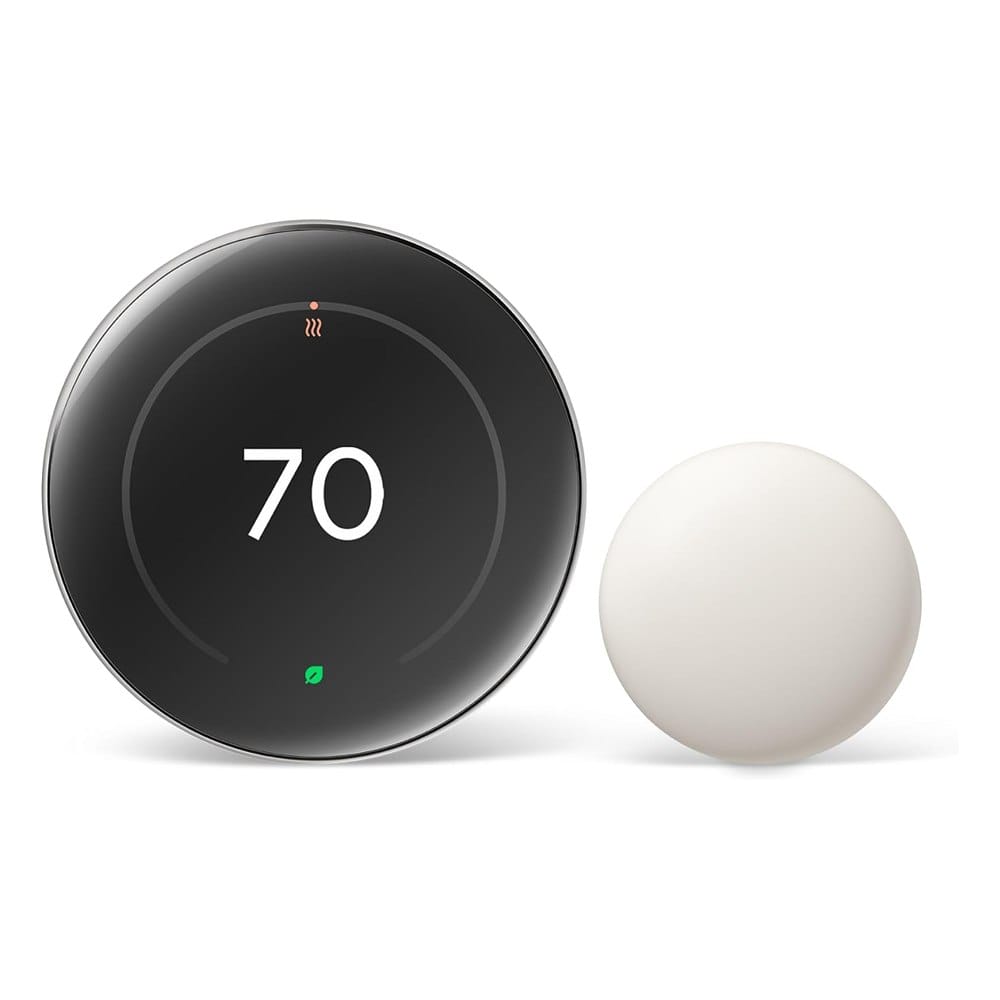
3. Google Nest Learning Thermostat (4th Gen) + Temperature Sensor
Best for: people who want a thermostat that learns their schedule and covers more rooms.
The premium Nest. It has a stainless steel ring, learns your schedule over time, and this bundle adds a 2nd-gen Nest Temperature Sensor so you can read the temp in a different room. It works with the Google Home app and its Adaptive Eco feature.
What makes it stand out: The sensor is the real upgrade. If one bedroom runs cold, this fixes it better than any setting. It also flags system problems in the Google Home app.
Good to know: It's the most expensive pick here, and Google lists C-wire compatibility by system, so use their checker before you buy. If your system is simple, the cheaper Nest does most of this for far less.
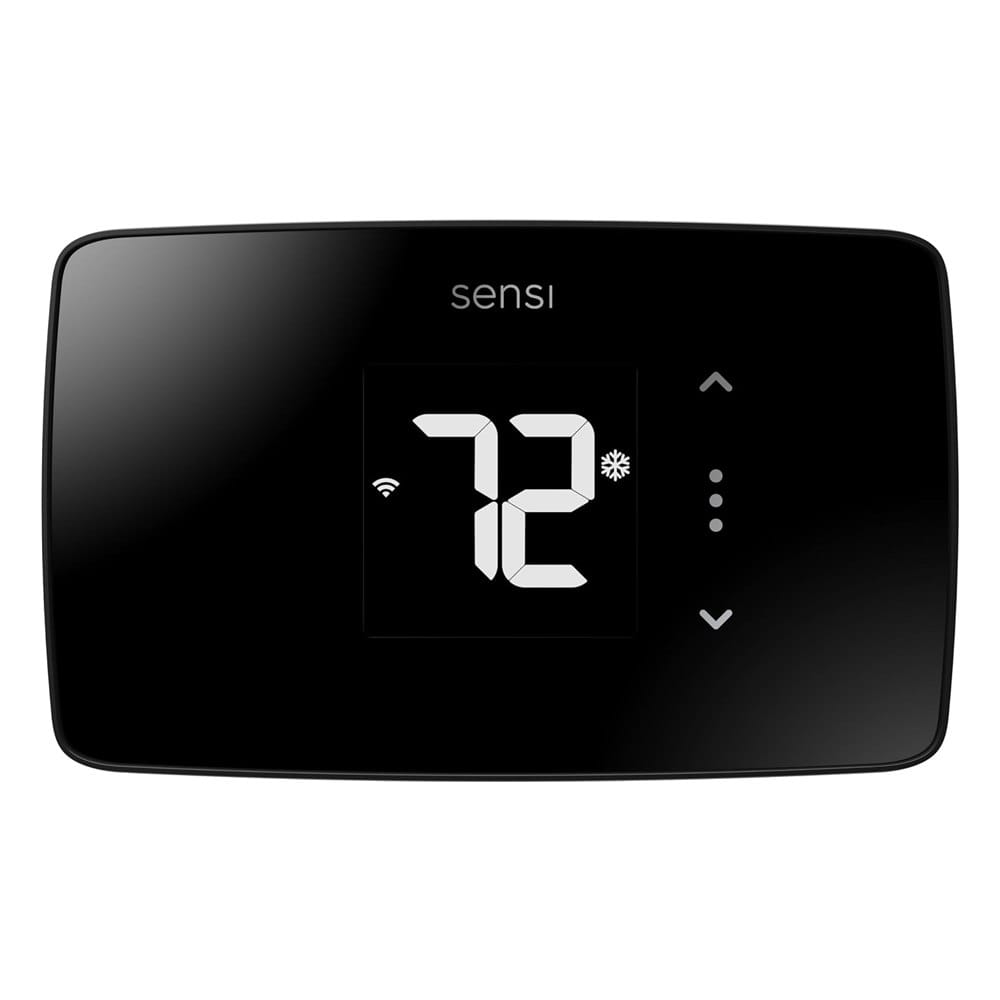
4. Sensi Lite Smart Thermostat
Best for: a budget install on an older house with a basic system.
The cheapest of the four, and it keeps things simple: Wi-Fi, Alexa support, DIY install and Energy Star certification. Sensi's chart says the Lite doesn't need a C-wire for most systems, which is the main reason it's on this list.
What makes it stand out: The price. You get the core smart features (remote control, schedules) for well under the others, and it has over 2,300 reviews.
Good to know: It has a plainer screen and fewer features, and it sits at 4.0 stars. Sensi's chart also shows the Lite has narrower system support than the pricier Sensi models, so run the compatibility check, especially with a heat pump.
How to Install One Without a C-Wire
- Turn off the power. Shut off the furnace at the breaker before you touch any wires.
- Photograph the wiring. Label each wire with the tape that comes in the box.
- Run the maker's compatibility checker. It asks for your wire letters and system type.
- Follow the no-C-wire steps. That means a built-in method, or the power extender kit at the furnace for ecobee.
- Test heat and cool. Switch the power back on and run each mode for a few minutes.
If you're doing other smart-home upgrades, see our smart lock for vacation rental picks. And if your garage or workshop gets cold, our space heater for garage guide covers that.
Frequently Asked Questions
Can I install a smart thermostat without a C-wire?
What is a C-wire and why do smart thermostats want it?
Do smart thermostats have a monthly fee?
Will these work with baseboard heaters?
Keep Reading
Final Thoughts
For most people with a standard furnace and AC, we'd start with the Google Nest Thermostat. It's the cheapest of the big names and has the most reviews. If you have no C-wire and want an adapter included, the ecobee Enhanced is the safer bet.
Pick the Nest Learning with the sensor if one room never matches the rest. Pick the Sensi Lite if you want the lowest price on a simple system. Whichever you choose, run the compatibility checker before you open the box.
Disclosure: This post contains affiliate links. As an Amazon Associate I earn from qualifying purchases. Here's how we pick products.