
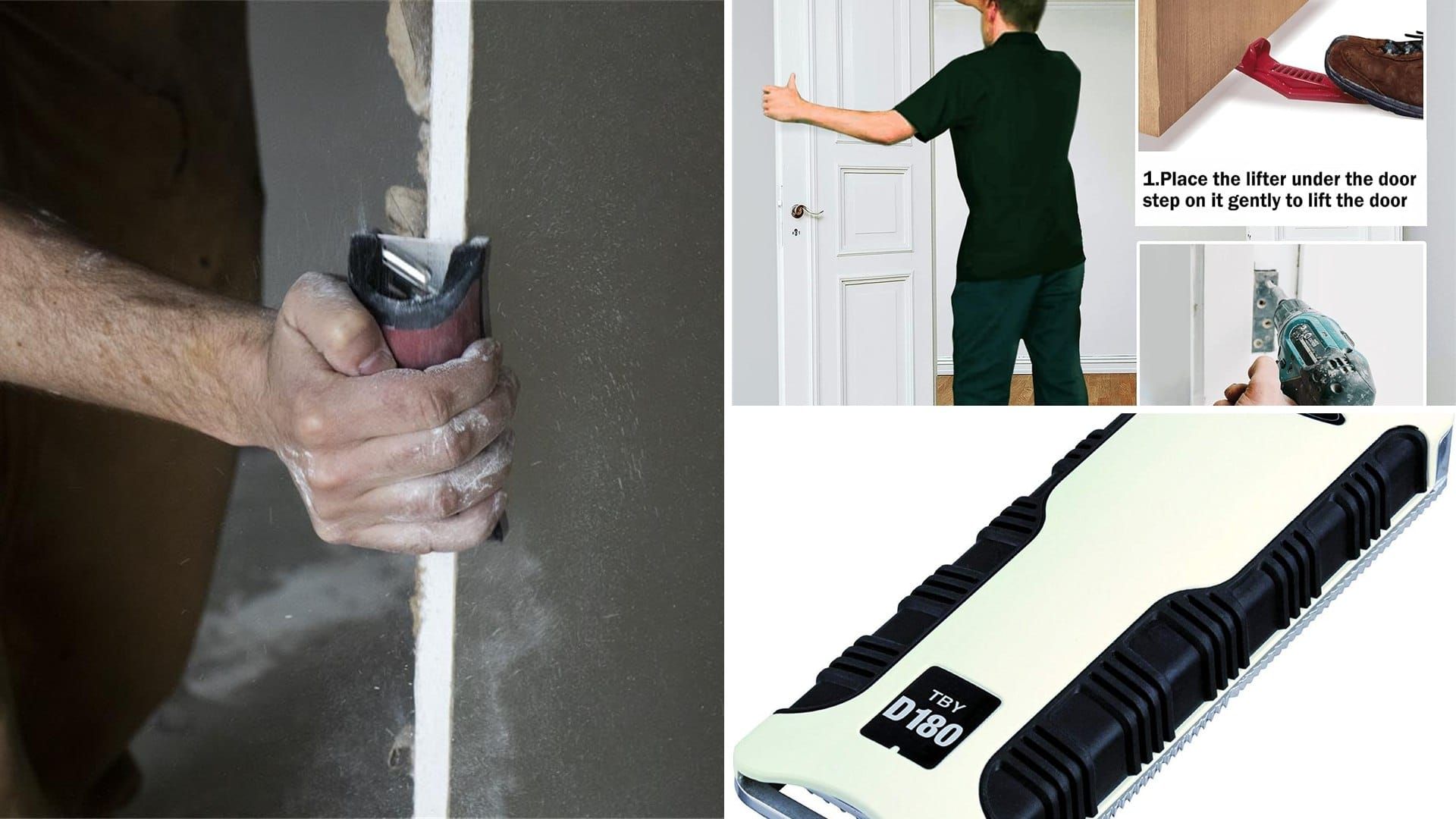



You cut a sheet of drywall to fit around an outlet, and the edge comes out ragged. It won't sit flush, and the next coat of mud is going to show every bump. A drywall rasp fixes that in a few strokes, and it's a lot cheaper than redoing the cut. This guide covers the 5 best drywall rasps in 2026, ranked by star rating and number of reviews, plus two pocket tools that rasp edges and lift panels.
We didn't personally test these. We read the listings and the review patterns so you can pick fast. If you're finishing seams after the rasp work, see our drywall putty knife picks too.
What to Look For in a Drywall Rasp
Cuts on the push and the pull. The better rasps remove material in both directions, so you finish edges in fewer strokes.
Open body or dust collection. Drywall dust clogs teeth fast. Open designs and in-handle dust pockets keep the blades working longer.
Handle shape. A soft, contoured grip matters when you're doing a whole room of cutouts. A cheap hard handle gets old by the second hour.
Blade material. Stainless steel blades resist rust if your toolbox lives in a damp garage or truck.
One job or many. A full rasp is best for shaping. A pocket tool that also lifts panels or doors is handy for hanging, but it's slower for big edge work.
The 5 Best Drywall Rasps in 2026
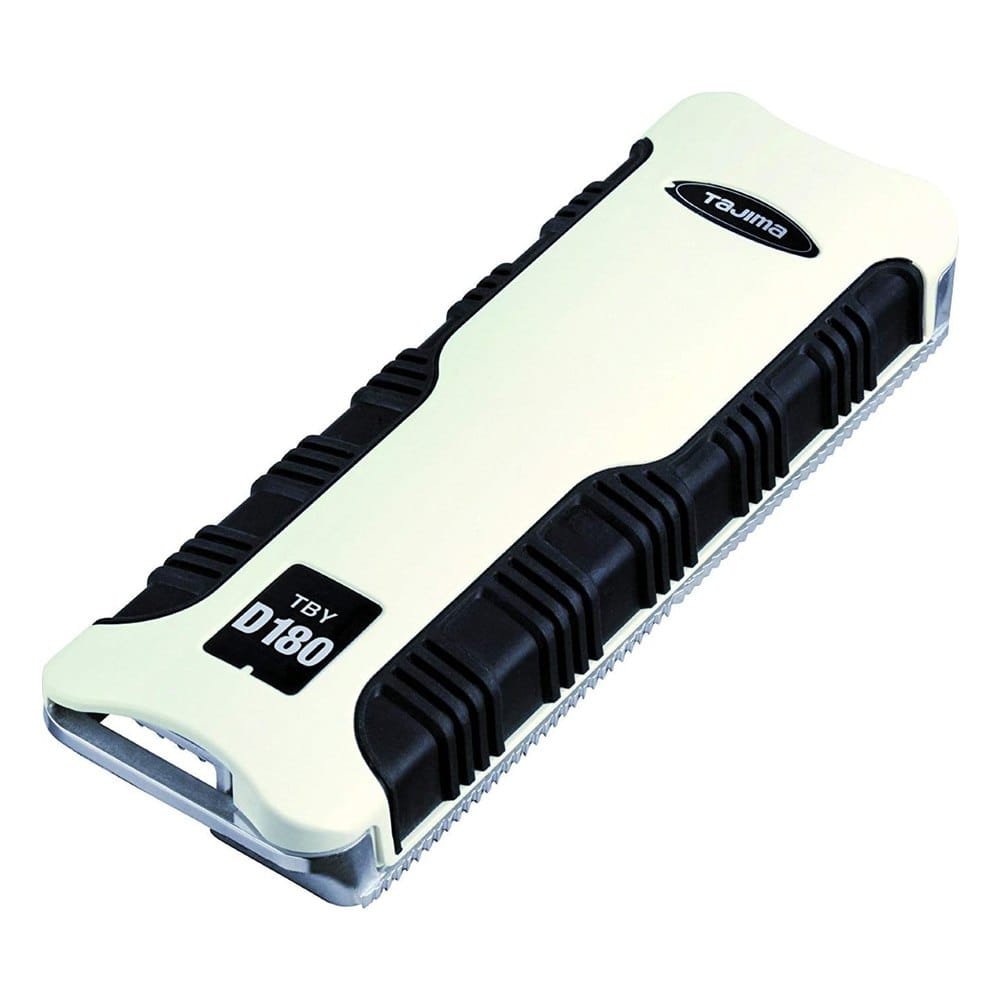
1. Tajima Combination Drywall Rasp
Best for: DIYers and pros who want one rasp for rough cuts, finish work and notching.
A rasp with three teeth sections: aggressive teeth for fast removal, fine teeth for finish work, and side rail teeth for notching. It has 4.7 stars from more than 2,100 reviews, the best score here.
What makes it stand out: The dust collects inside the handle, so the teeth stay cleaner and there's less mess on the floor. One tool covers rough shaping and a clean finish.
Good to know: It costs more than a basic rasp, and the dust pocket needs emptying now and then.
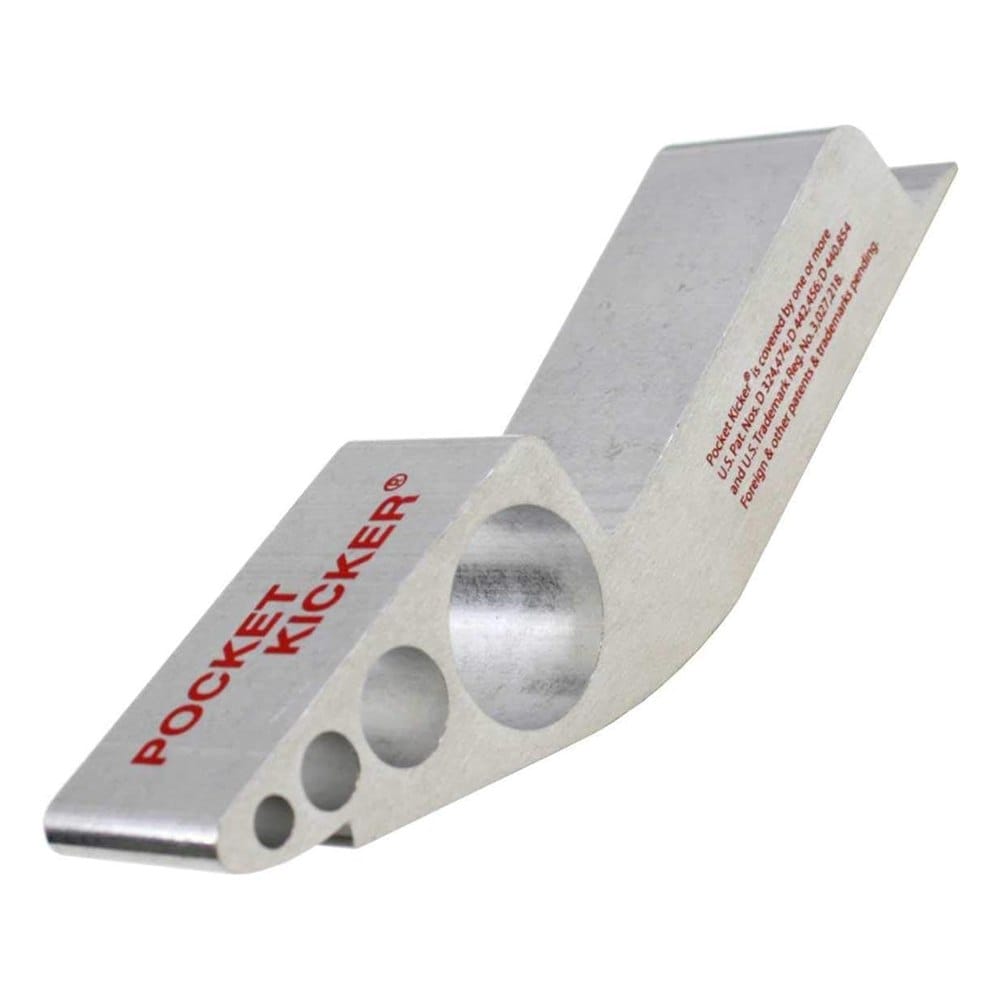
2. Pocket Kicker Drywall Panel Lifter, Edge Rasp and Scraper
Best for: people hanging drywall who want a small tool that lifts sheets and cleans up edges.
A pocket-size aluminum tool from Diversified Tools. It works as a foot-operated panel lifter, an edge rasp, a scraper and a pry tool. It has 4.5 stars from about 1,600 reviews.
What makes it stand out: It fits in a pocket, so it's there when you need it. The gypsum jaws help tidy a drywall edge without a full-size rasp.
Good to know: It's a helper, not a replacement for a real rasp. Shaping a long edge with it is slow.
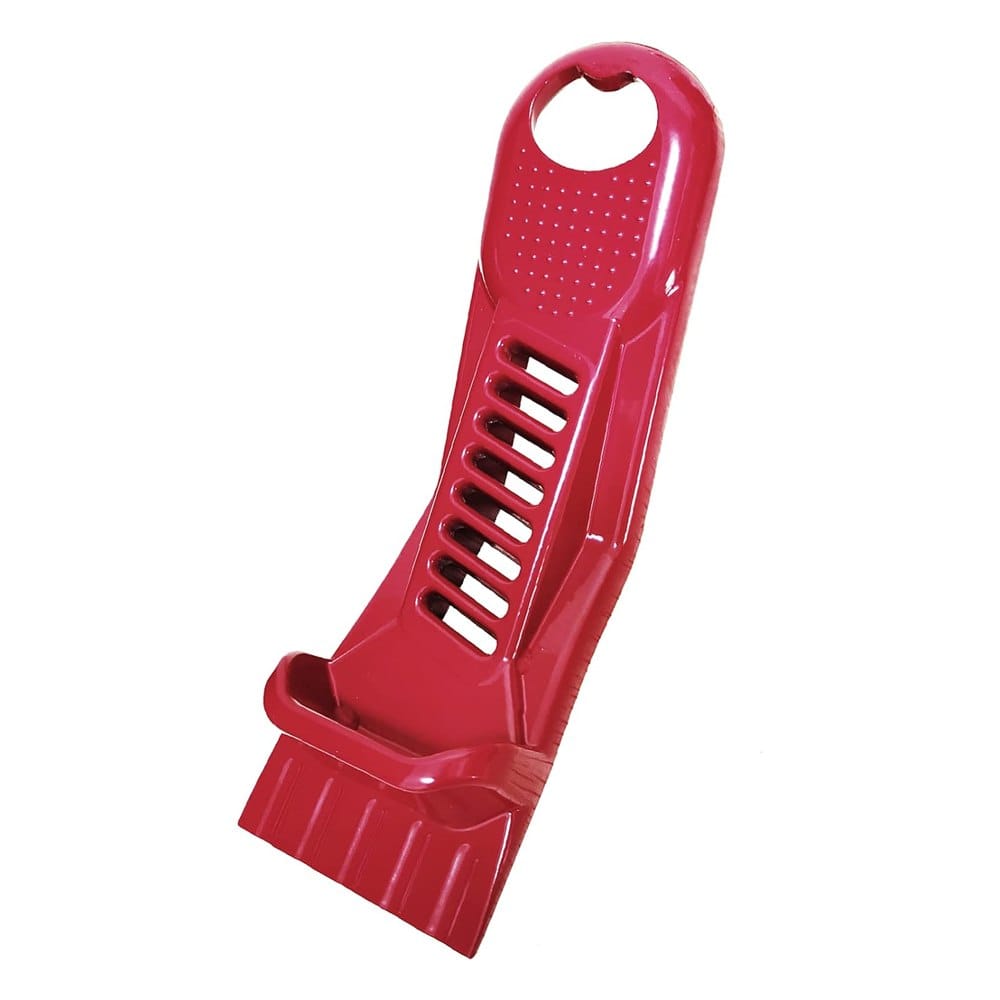
3. Pocoro Drywall Panel Lifter and Edge Rasp Tool
Best for: door hanging and drywall install jobs where you want a lifter with a file edge.
A red alloy steel tool that lifts a door or panel under your foot, rasps an edge, and opens a bottle. It has 4.6 stars from about 1,200 reviews. The listing shows it for hanging doors and drywall.
What makes it stand out: It's small, light and has a lifter and a file in one. The bottle opener is a silly bonus, but people do mention it.
Good to know: The file side is short, so it's for touch-ups, not for long cuts. It's also not a brand-name tool, so check the return policy.
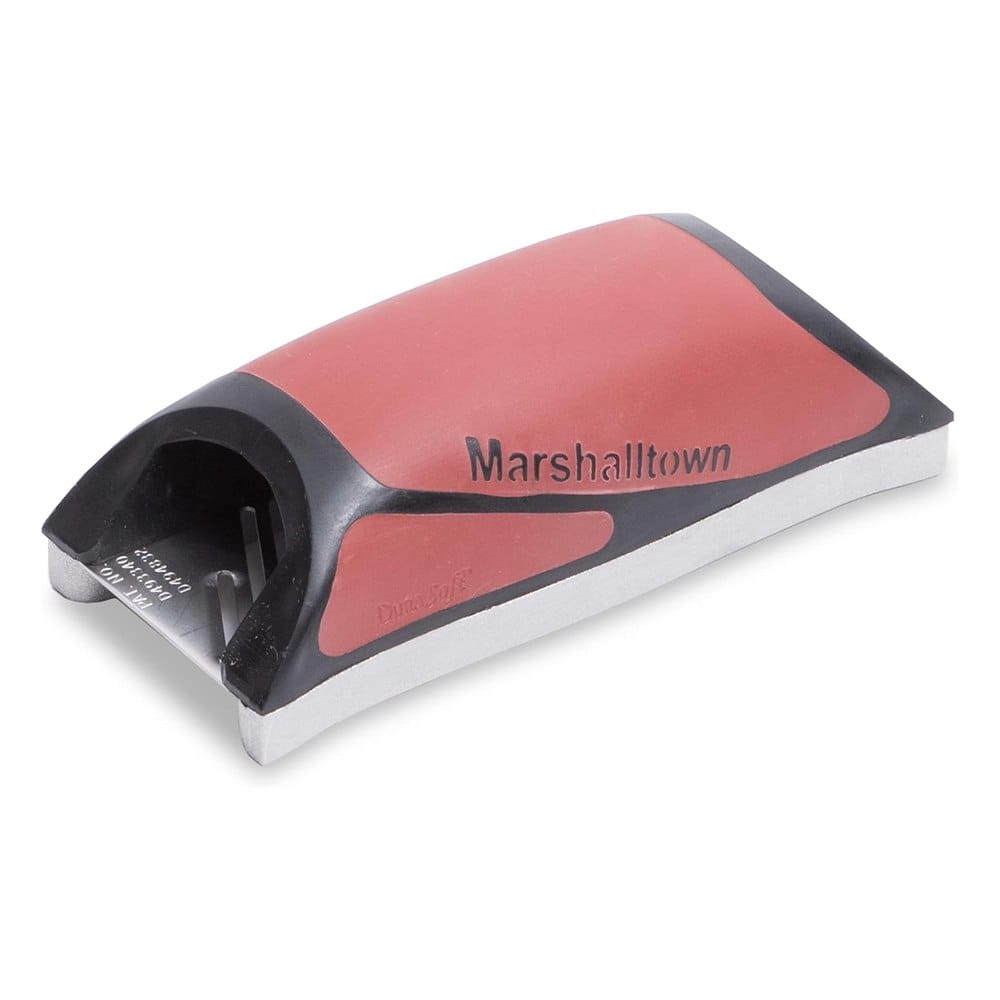
4. MARSHALLTOWN Drywall Rasp, 5 1/2 Inch
Best for: a full-size rasp from a well-known trowel brand for shaping edges.
A 5 1/2 inch rasp with stainless steel blades, a contoured DuraSoft handle and guard rails. It's made in the USA, according to the listing. It has 4.4 stars from about 630 reviews.
What makes it stand out: The guard rails help protect your fingers, and the soft handle is comfortable. The blades cut drywall and are also used on backer board.
Good to know: The 4.4 rating is the lowest of the five, and the blades can clog without a regular tap-out.
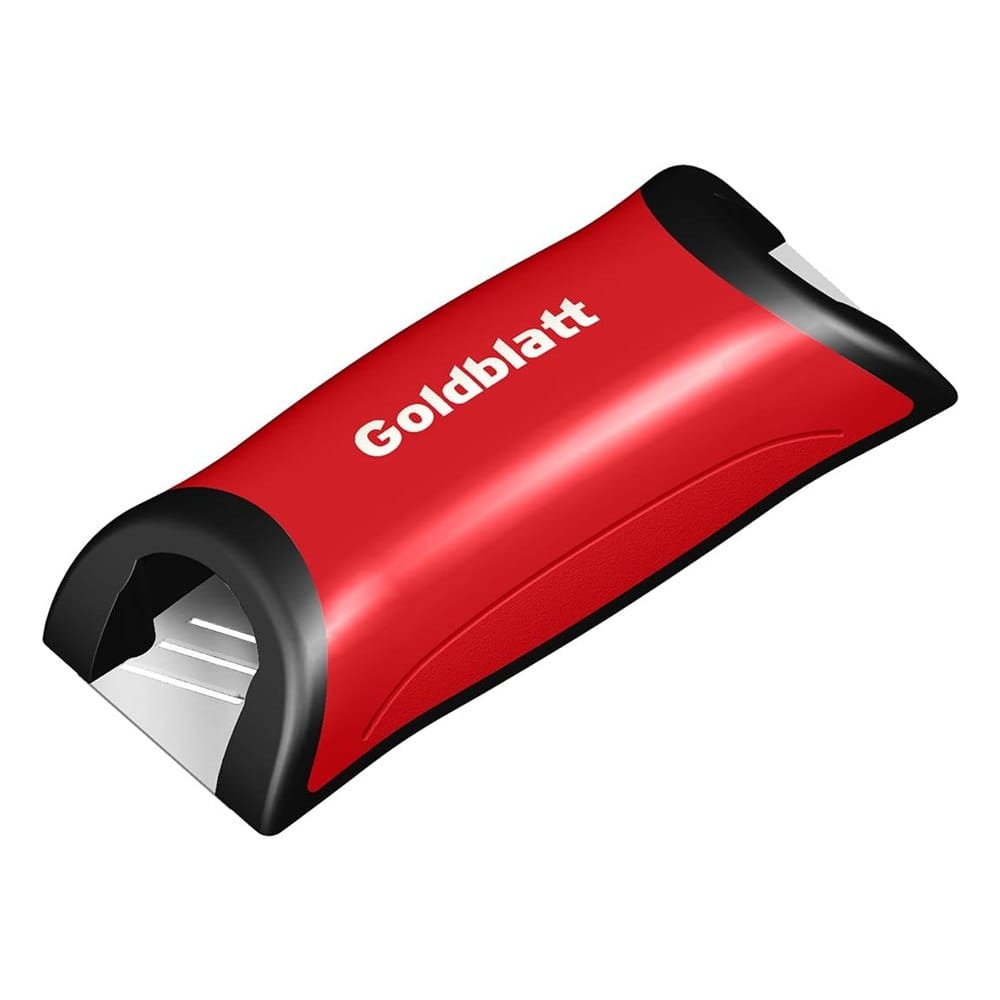
5. Goldblatt Drywall Rasp
Best for: home projects where you want an open-body rasp that doesn't clog.
A rasp with stainless steel blades, an open body and a rubber grip. It's built to cut on both strokes. It has 4.5 stars from about 500 reviews.
What makes it stand out: The open design lets dust pass through, so it doesn't pack up as fast. It's a simple tool at a fair price for occasional use.
Good to know: It has fewer reviews than the others, and the plain grip isn't as soft as the Marshalltown.
How to Use a Drywall Rasp
- Cut the sheet with a utility knife first. A rasp trims, it doesn't replace the cut.
- Hold the rasp at a slight angle and use light strokes along the edge. Let the teeth do the work.
- Check the fit often. It's easy to take off too much.
- Knock the dust out of the teeth every few strokes.
- Wear a dust mask. Drywall dust gets into everything, so open a window or run a fan.
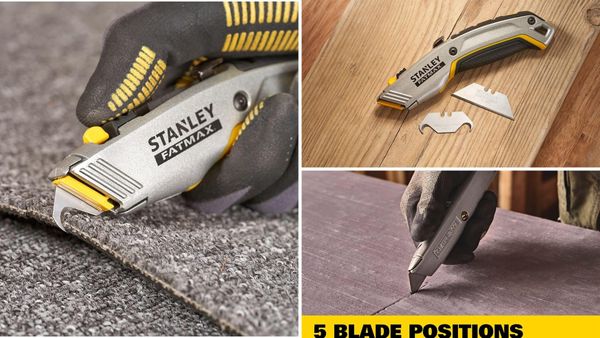
For the cutting step, see our Stanley utility knife picks.
Frequently Asked Questions
What is a drywall rasp used for?
How do you use a drywall rasp?
Can you use a drywall rasp on other materials?
Do I need a rasp or can I just sand?
Keep Reading
Final Thoughts
We'd start with the Tajima. It has the best rating, the most reviews, and the dust pocket keeps it working. If you only do a few cuts a year and want a cheaper open-body option, the Goldblatt is fine.
The Marshalltown is the pick for a soft grip and finger guards. The Pocket Kicker and the Pocoro are add-ons for hanging jobs, so buy one of them next to a full-size rasp, not instead of it.
Disclosure: This post contains affiliate links. As an Amazon Associate I earn from qualifying purchases. Here's how we pick products.