
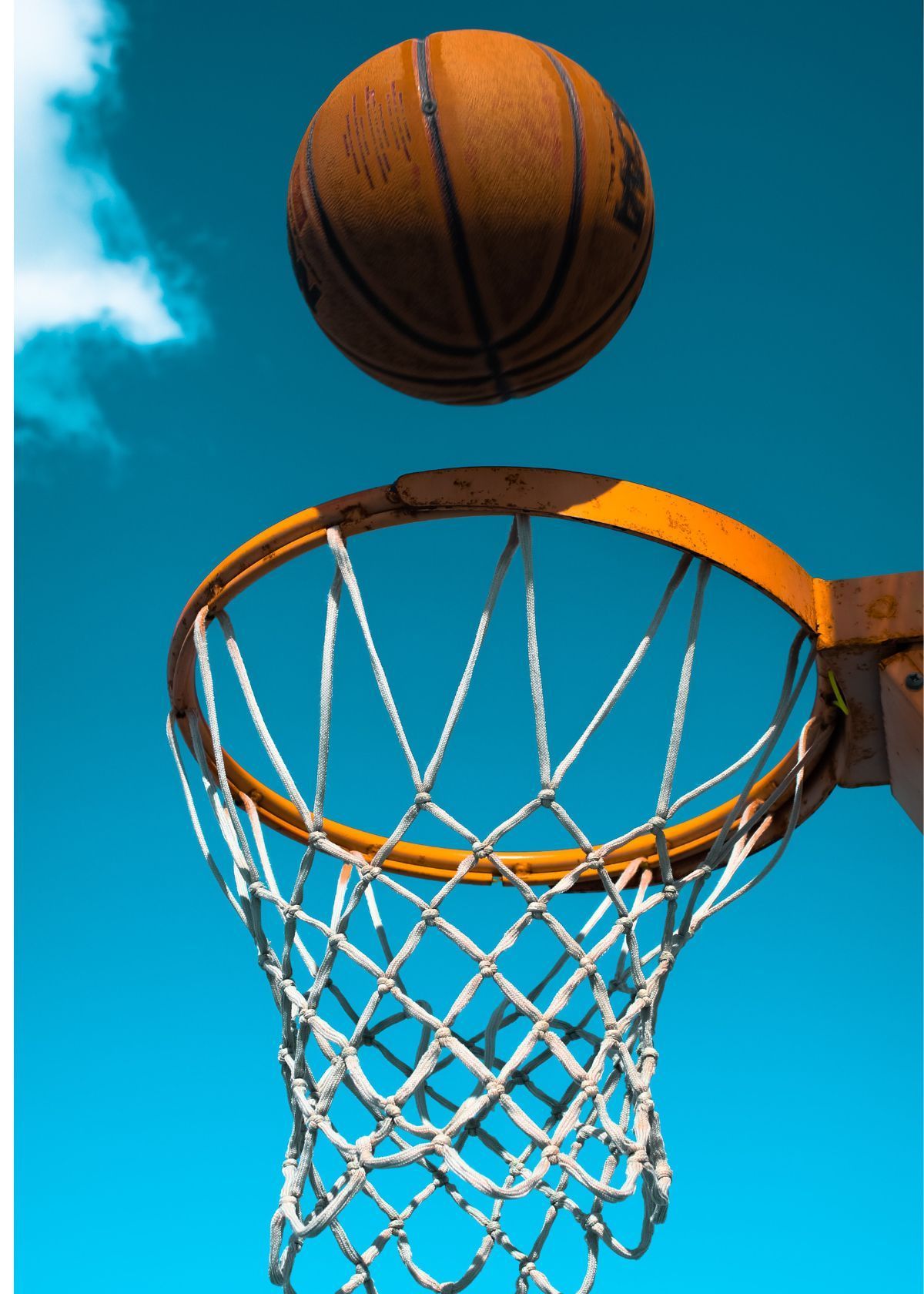

You bring a new leather basketball to the park, and two weeks later the surface is scuffed and the grip is gone. Rough asphalt does that. So is a rubber basketball the better choice for outdoor play? For most people playing on concrete or blacktop, yes. Here's how a rubber basketball compares to leather and composite, and what to check before you buy.
Rubber Basketball vs Leather: The Short Answer
Durability. Rubber is the tougher cover. It handles asphalt, concrete, rain and heat without wearing down quickly. Genuine leather balls are made for indoor courts and can scuff, dry out and lose their tack on rough ground.
Grip. Leather feels better in the hand once it's broken in, and that's why it's used indoors. A good rubber ball has deep channels and a pebbled surface, and many hold up fine for dribbling and shooting. A cheap, smooth one can feel slick.
Price. Rubber balls usually cost much less than leather. That matters if the ball will be dropped, kicked into the street or left out in the yard.
Feel and bounce. Rubber tends to feel a bit harder and bounces more than leather. Some players find it less forgiving on the fingers. If you play seriously, you'll notice it.
What About Composite Leather?
Composite (synthetic) leather sits in the middle. It's made to feel closer to leather but handles outdoor use better. Many players pick a composite ball if they play both indoors and outdoors. If you play only on a driveway or playground, rubber is the cheaper and tougher pick.
How to Choose a Rubber Basketball
- Size. Size 7 (29.5 inches) is the standard for men and older teens. Size 6 (28.5 inches) is used for women and younger players. Size 5 is for younger kids, and smaller sizes suit toddlers.
- Surface. Look for deep channels and a pebbled texture for better grip.
- Weight. A ball that's too heavy for a young child makes learning harder. Match the size to age.
- Inflation. Keep it at the pressure printed near the valve. Rubber balls can lose air, so check it every week or two.
Want specific picks? See our guide to the best outdoor basketballs for asphalt, parks and driveways. If you play other sports outside too, our outdoor volleyball picks may help.
Frequently Asked Questions
Are rubber basketballs good?
What is the difference between rubber and leather basketballs?
Can you use a rubber basketball indoors?
What size rubber basketball should I buy?
Final Thoughts
If you play outside on rough ground, buy rubber. It lasts longer, costs less and doesn't need to be babied. If you mostly play indoors, look at leather or composite instead.
Not sure which ball to pick? Start with our best outdoor basketball guide.