

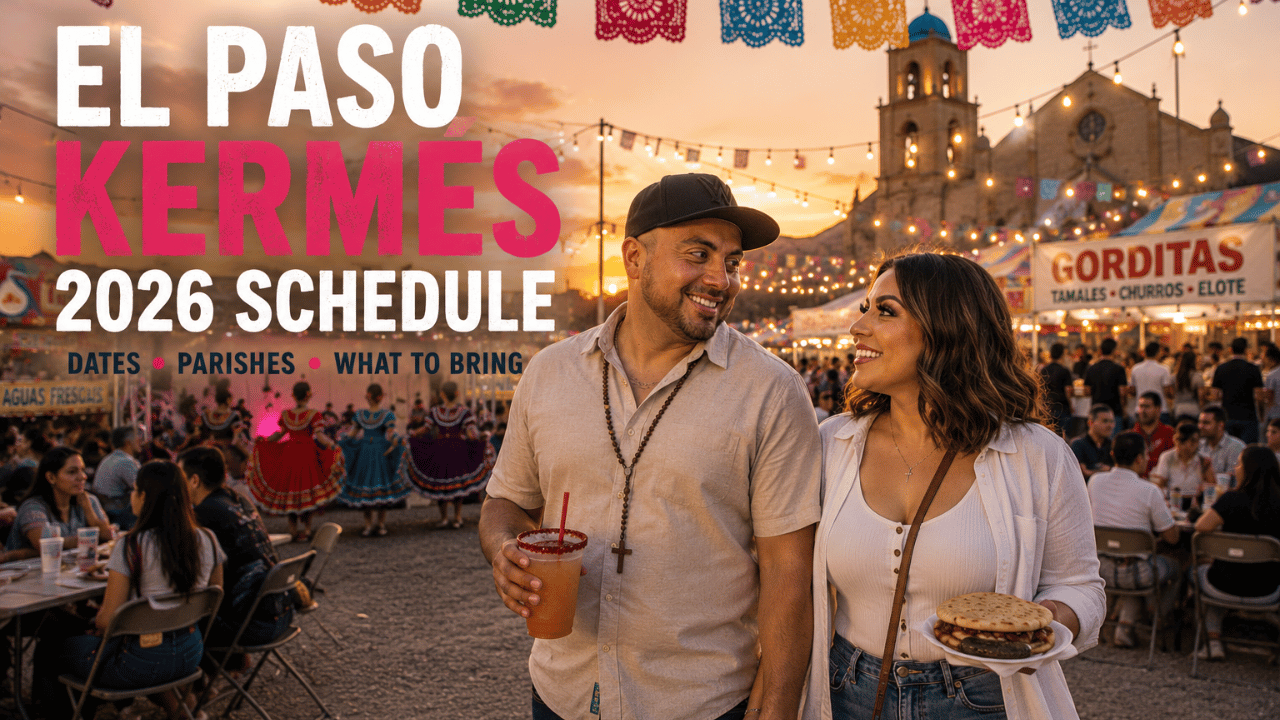



If you've lived in El Paso for any length of time, you know what kermés season means: gorditas, folklórico dancers, live música, and entire parishes coming together for community celebration. From late July through mid-October, the Roman Catholic Diocese of El Paso sponsors a marathon of parish bazaars that draw thousands of families, friends, and food lovers across the region.
Whether you're a kermés veteran or experiencing your first one, here's everything you need to know about the 2026 schedule, what to expect, and how to make the most of it.
What Is Kermés?
Kermés (also spelled kermess) are church bazaars hosted by parishes across the Roman Catholic Diocese of El Paso. They're community-driven festivals that blend tradition, faith, food, and fun and they're a massive part of El Paso culture.
The word itself comes from Spanish tradition, but in El Paso, kermés has become synonymous with summer and fall weekends packed with:
- Traditional food — Fresh gorditas (the real kind, not the gas station version), tamales, chile rellenos, carne asada, elote, churros, sopapillas
- Folklórico dancers — Colorful traditional Mexican dance performances, often with live bands
- Live music — Banda, norteño, and contemporary Mexican music that keeps people dancing
- Games and raffles — Carnival games, bingo, raffle tickets where the prizes are actually worth winning
- Community — Families, multiple generations, neighbors, church members, and people from all over El Paso gathering in one place
It's part fundraiser (money goes back to the parish), part cultural celebration, and entirely a El Paso tradition that you won't find the same way anywhere else.
Complete Kermés 2026 Schedule by Date
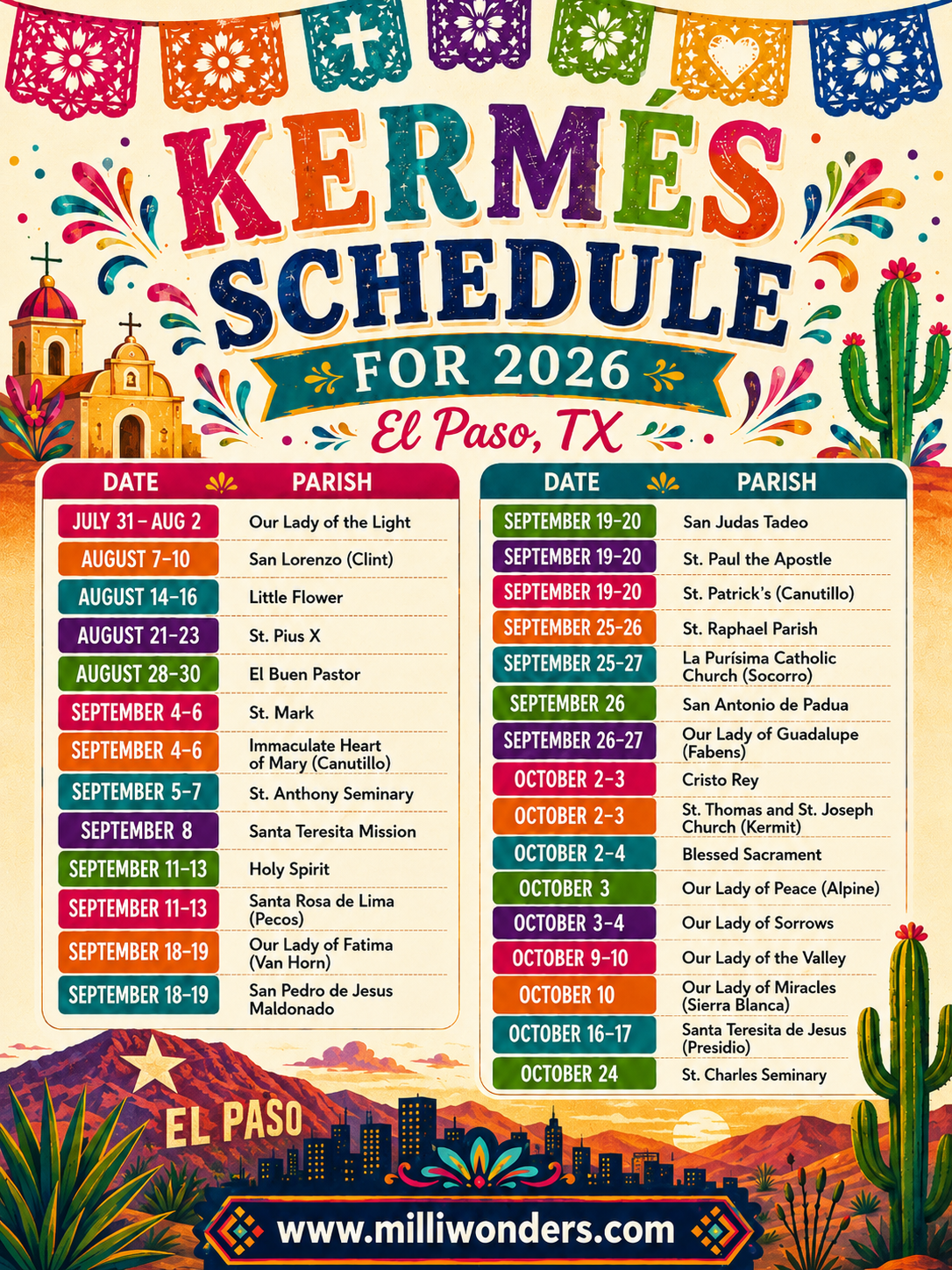
The Diocese of El Paso's kermés marathon runs from late July through mid-October. Here's the full schedule (will add when more are announced):
Early Season Kermés (Late July – August)
Our Lady of the Light (July 31 – Aug 2) kicks off the diocesan kermés marathon. This is peak summer heat, so expect long lines at the food stands and people looking for shade. The gorditas are fresh and plentiful, and the live music sets the tone for the entire season.
San Lorenzo in Clint (Aug 7–10) is one of the bigger draws of early season. The drive to Clint is worth it — locals say this kermés has some of the best carne asada and the most energy of the early festivals. Go Friday or Sunday if possible; Saturday gets packed.
Little Flower (Aug 14–16) and St. Pius X (Aug 21–23) are solid central El Paso options. Both are well-organized, with strong folklórico performances and consistent food quality. If you're new to kermés and want to ease in without a long drive, either of these is perfect.
El Buen Pastor (Aug 28–30) closes out August and marks the transition into peak kermés season. By late August, word has spread, crowds have gotten bigger, and the energy is noticeably higher than early July.
Peak Season Kermés (September)
September is the heart of kermés season. There are festivals almost every weekend, sometimes two or three running simultaneously across different parts of El Paso and surrounding areas. This is when you get the full experience — packed crowds, multiple folklórico groups performing, and food stands working overtime.
St. Mark and Immaculate Heart of Mary (Sept 4–6) overlap. St. Mark is in central El Paso; Immaculate Heart is in Canutillo. If you're ambitious and love kermés, you could hit both in one weekend. Both have strong reputations for music and dancing.
St. Anthony Seminary (Sept 5–7) and Santa Teresita Mission (Sept 8) are right in the mix. These are smaller, more intimate celebrations compared to the larger parish kermés, but that's part of their appeal — less crowded, same delicious food.
Holy Spirit and Santa Rosa de Lima (Sept 11–13) are happening simultaneously. Holy Spirit is in El Paso proper; Santa Rosa is in Pecos. If you're staying local, Holy Spirit is your pick. If you're willing to drive 30 minutes, Santa Rosa de Lima in Pecos has a different community vibe that's worth experiencing.
The September 18–19 cluster is massive. You've got Our Lady of Fatima in Van Horn and San Pedro de Jesus Maldonado in El Paso. If you're staying central, San Pedro is excellent. If you're willing to drive to Van Horn, you get a full day trip feel with the kermés as the main event.
September 19–20 sees three kermés happening: San Judas Tadeo, St. Paul the Apostle, and St. Patrick's in Canutillo. This is the weekend where if you're really into it, you could potentially hit multiple locations.
September 25–27 is another triple-header: St. Raphael in El Paso, La Purísima in Socorro, San Antonio de Padua, and Our Lady of Guadalupe in Fabens. This is right in the middle of peak season when everything is running at full energy — best folklórico performances, biggest crowds, most festive atmosphere.
Late Season Kermés (October)
October kermés season is the wind-down, but don't mistake that for less energy. The weather is cooler (actually comfortable), which means people stay longer and the mood is relaxed. October kermés feel less chaotic than September and more intentional — people come specifically because they love kermés, not just because it's happening that weekend.
Cristo Rey and St. Thomas & St. Joseph (Oct 2–3) are happening simultaneously. Cristo Rey is central El Paso; St. Thomas is in Kermit. Both are solid options.
Blessed Sacrament (Oct 2–4) runs slightly longer and is centrally located. Good choice if you want a three-day weekend kermés experience without traveling far.
Our Lady of Sorrows (Oct 3–4) is another central option. By early October, you're starting to see repeat kermés-goers who are trying to hit all of them or at least their favorites.
Our Lady of the Valley (Oct 9–10) is one of the last major kermés in central El Paso. By mid-October, the season is winding down, so this is a good marker for "last chance to hit a big one before it's over."
Our Lady of Miracles in Sierra Blanca (Oct 10) is a one-day event in a small town outside El Paso. It's a bit of a drive, but Sierra Blanca kermés have a tighter, more intimate community feel.
Santa Teresita de Jesus in Presidio (Oct 16–17) is one of the last kermés of the entire season and the farthest west. It's a road trip, but if you're a true kermés enthusiast, it's a unique experience.
St. Charles Seminary (Oct 24) is the grand finale of the diocesan kermés marathon. If you've missed earlier ones, this is your final chance before the season officially wraps.
What to Expect at a Kermés
The Food: This is why you're really going. Gorditas are the star — traditional, made fresh, and nothing like anything you'll get anywhere else. Beyond gorditas, you'll find tamales, chile rellenos, carne asada, elote, churros, sopapillas, pan dulce, and traditional Mexican desserts. Lines can get long during peak dinner hours (6–8 PM), so either arrive early or go during off-peak times (4–5 PM or after 9 PM). Cash only at most stands.
The Entertainment: Folklórico dancers in colorful traditional costumes performing on a central stage. Live banda or norteño music that keeps going until late. Sometimes there's a DJ spinning rancheras and contemporary Mexican music. People dance, sit and chat, or just watch the performances.
The Games and Raffles: Bingo, ring toss, duck pond, bean bag toss, and other carnival games. Raffle tickets where the prizes are actually good — not just stuffed animals. Entry fees are cheap, and it's more about the fun than winning big.
The Vibe: Family-friendly, generational (grandparents, parents, kids, grandkids all there together), loud, colorful, and genuinely celebratory. People bring folding chairs and claim spots early. It's not fancy. Tables are plastic, the ground might be dirt or gravel, and the whole thing has a beautiful, authentic community feel.
What to Bring to a Kermés
A little preparation can make a huge difference, especially during the hotter July, August, and September weekends. Here are some helpful kermés essentials:
For the Heat and Sun
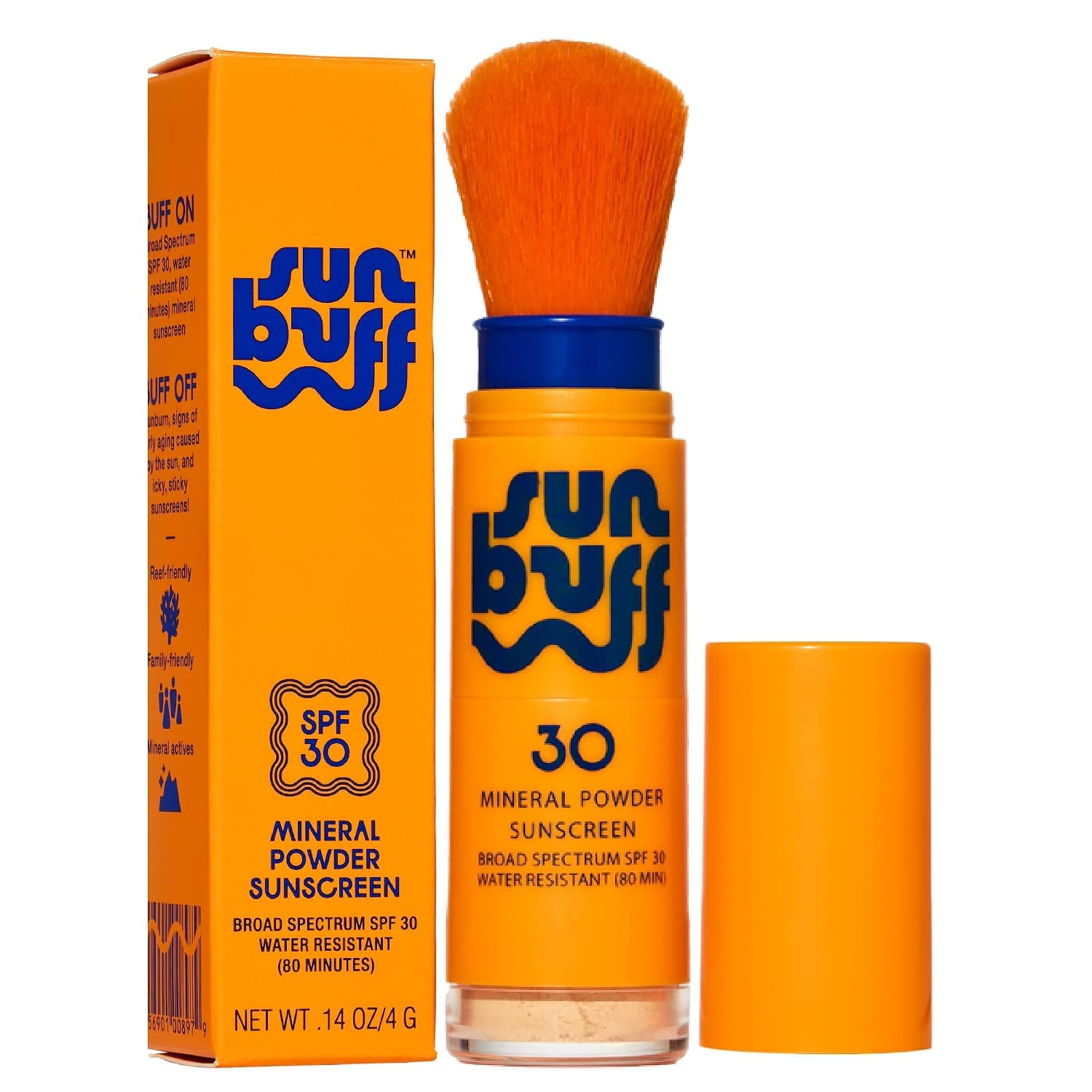
Mineral Sunscreen
You may be outside for several hours, so apply sunscreen before leaving and bring it with you to reapply.

Small Portable Handheld Turbo Fan
Great for cooling off while waiting in long food lines or watching outdoor performances.

Portable Neck Fan
A hands-free option for staying cool while walking around, eating, or playing games.
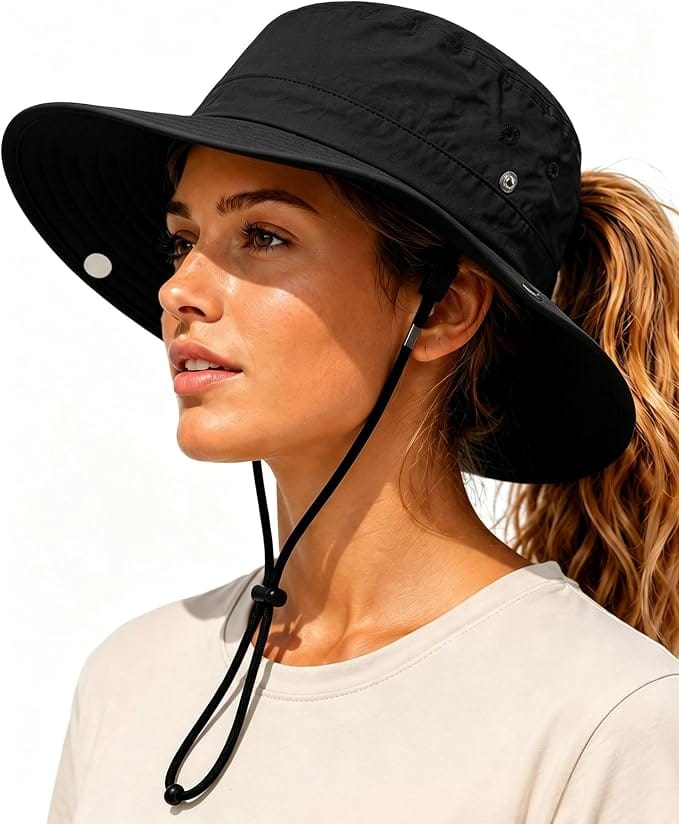

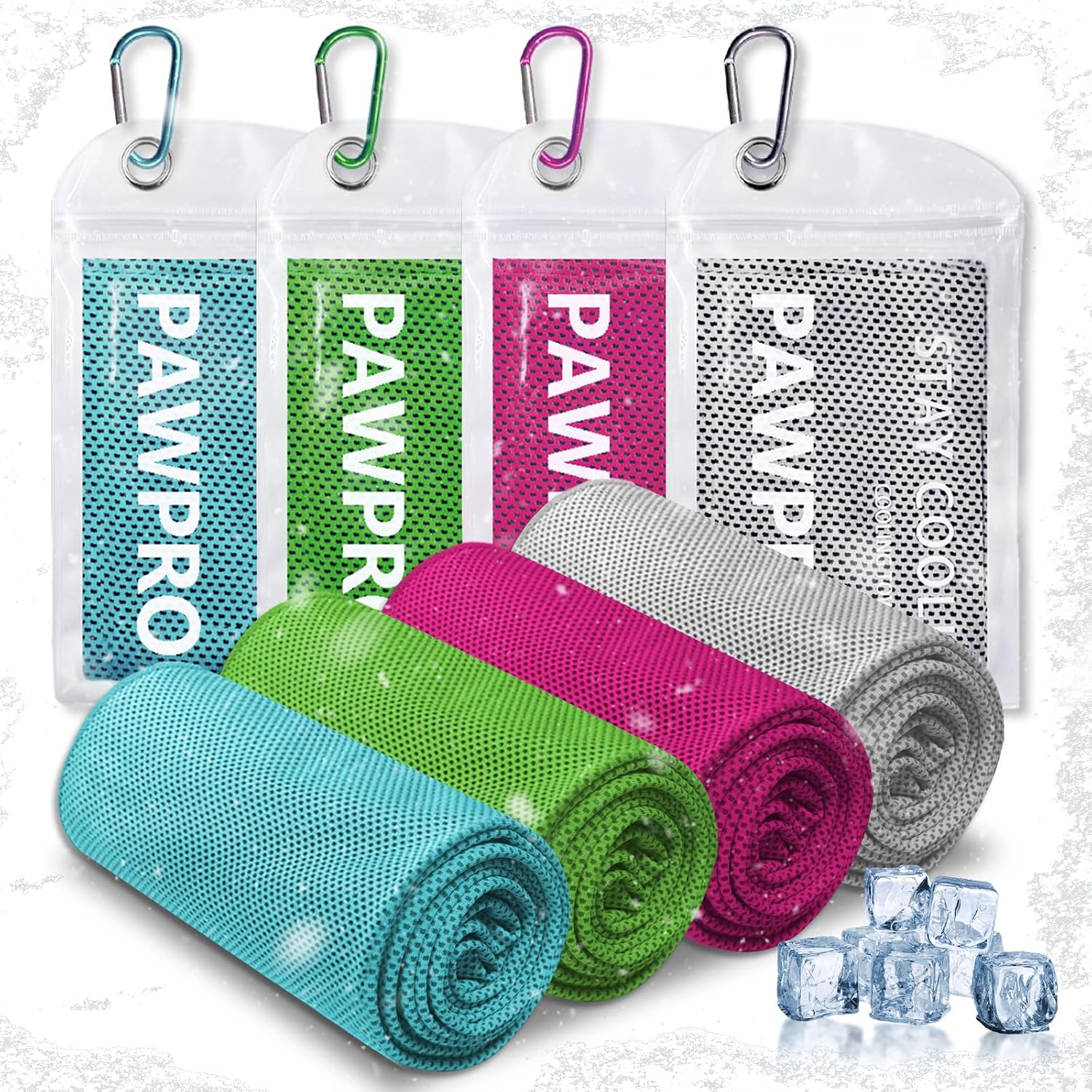
Towels for Your Neck and Face
Keep one nearby to wipe away sweat and stay more comfortable in the heat.
For Sitting and Carrying Everything
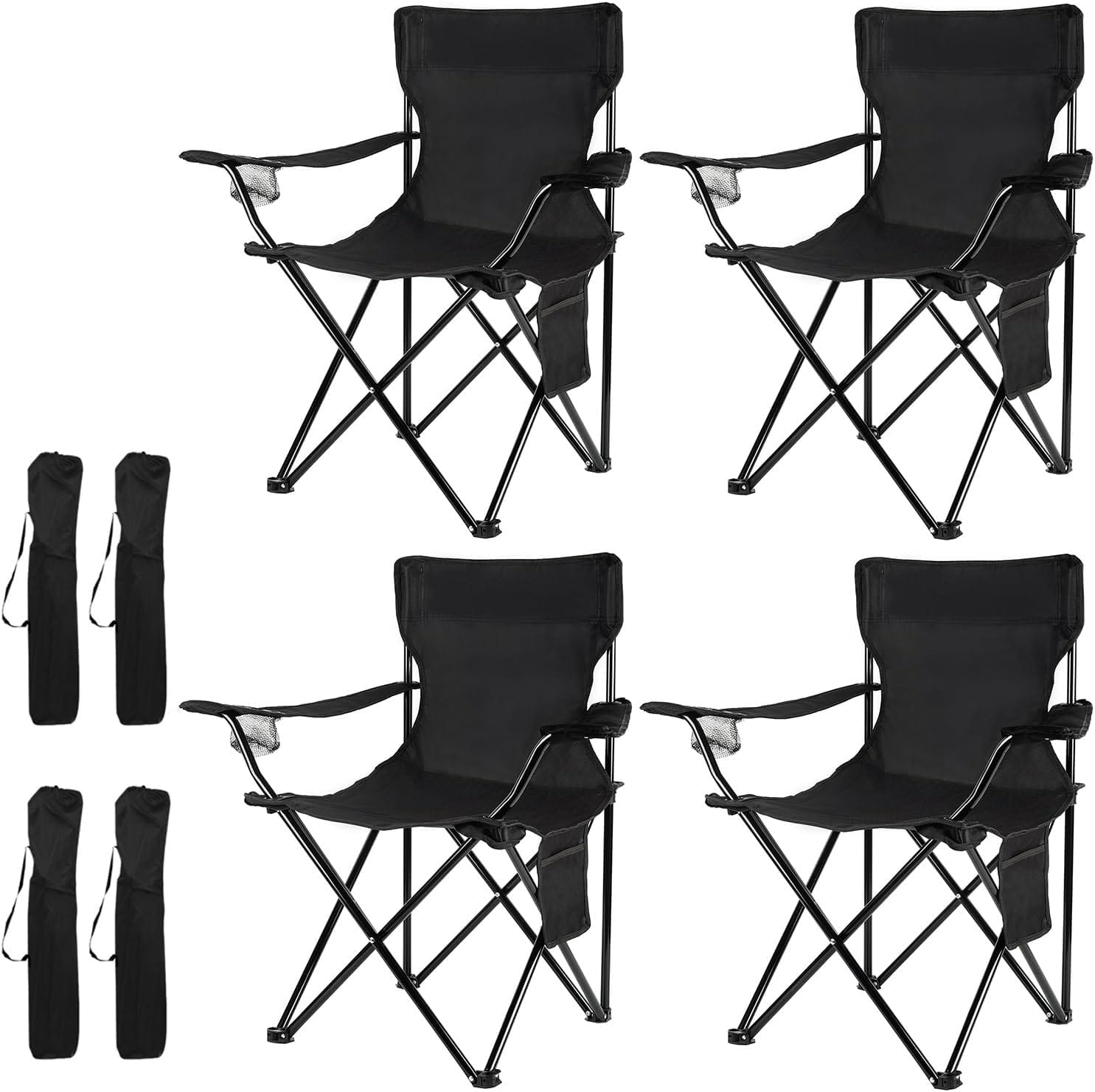
Camping Chairs
Seating can be limited, and many families bring their own chairs to relax while enjoying the music and entertainment.
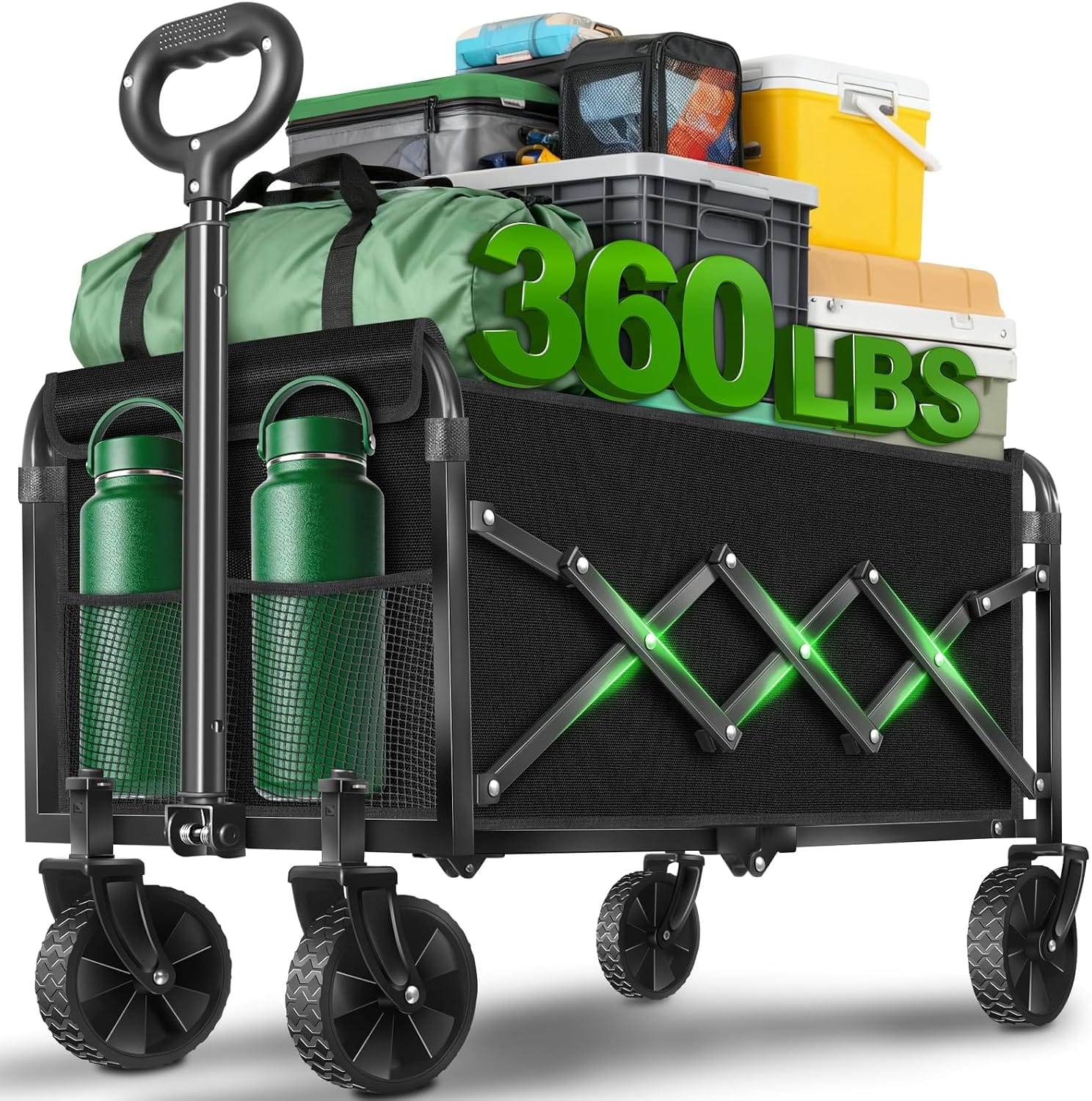
Folding Wagon
Especially useful for families carrying chairs, drinks, jackets, diaper bags, and other supplies.
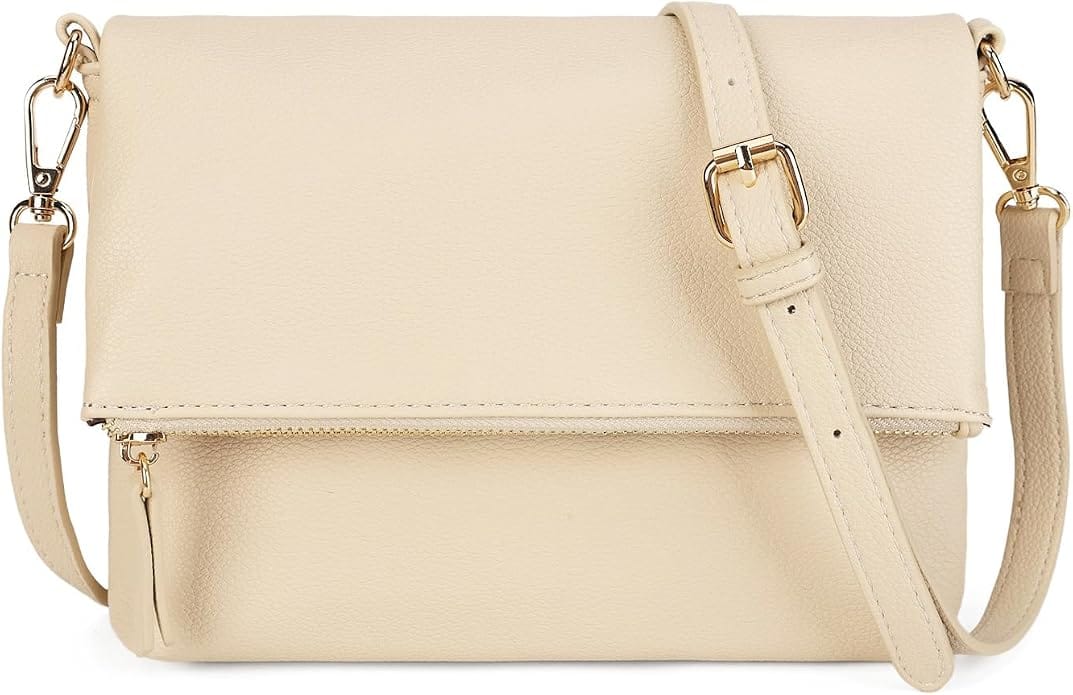
Small Crossbody Bag
Keeps your cash, phone, keys, and other essentials close without having to carry a large bag.
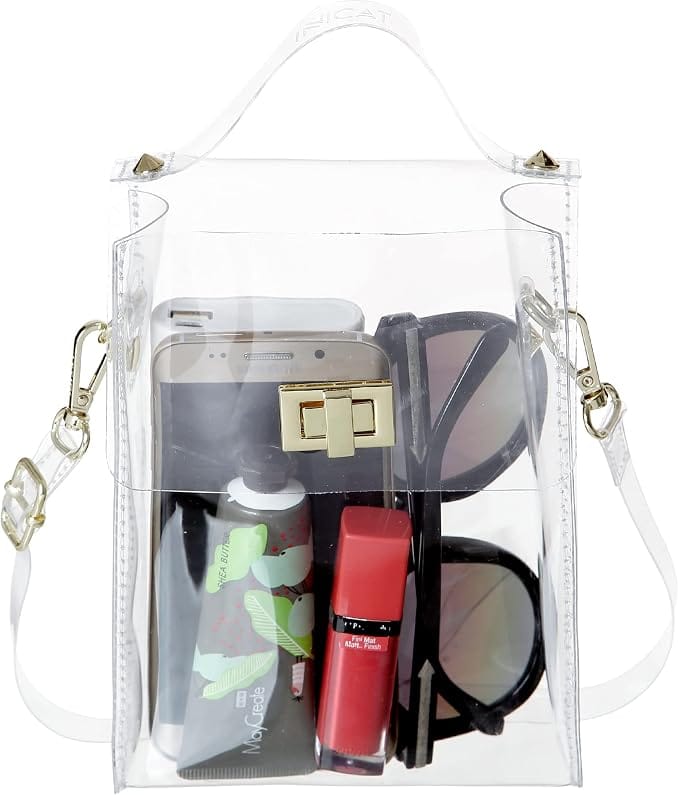
Clear Stadium Bag
A convenient option when you want something lightweight that makes it easy to find your belongings.
For Staying Hydrated and Connected
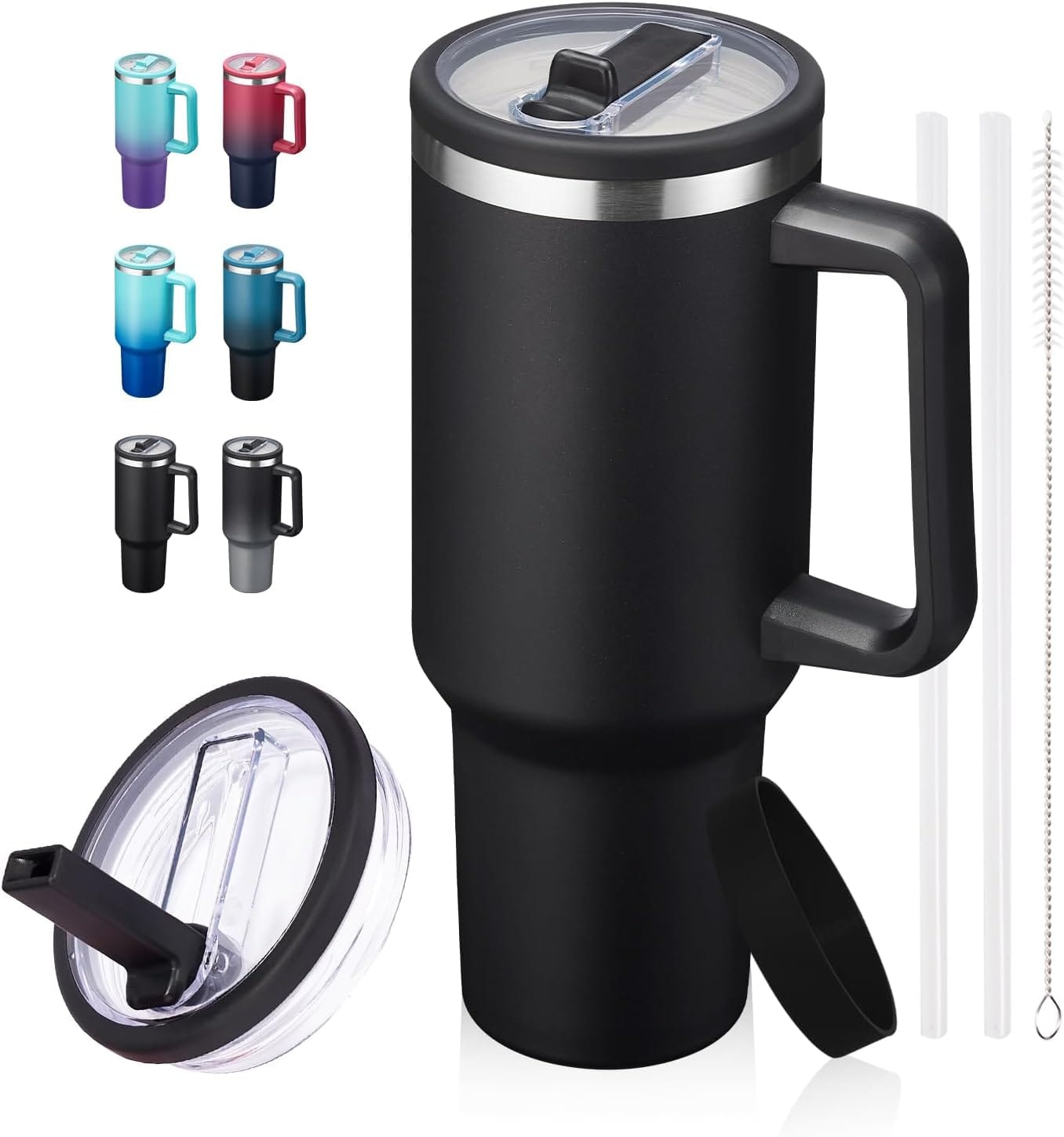
40-Ounce Tumbler with Handle and Flip Straw
Bring plenty of water, especially when attending during the afternoon or early evening.

Portable Phone Charger
Your battery can drain quickly when taking photos, recording videos, using GPS, or posting throughout the night.
For Keeping Your Hands Clean

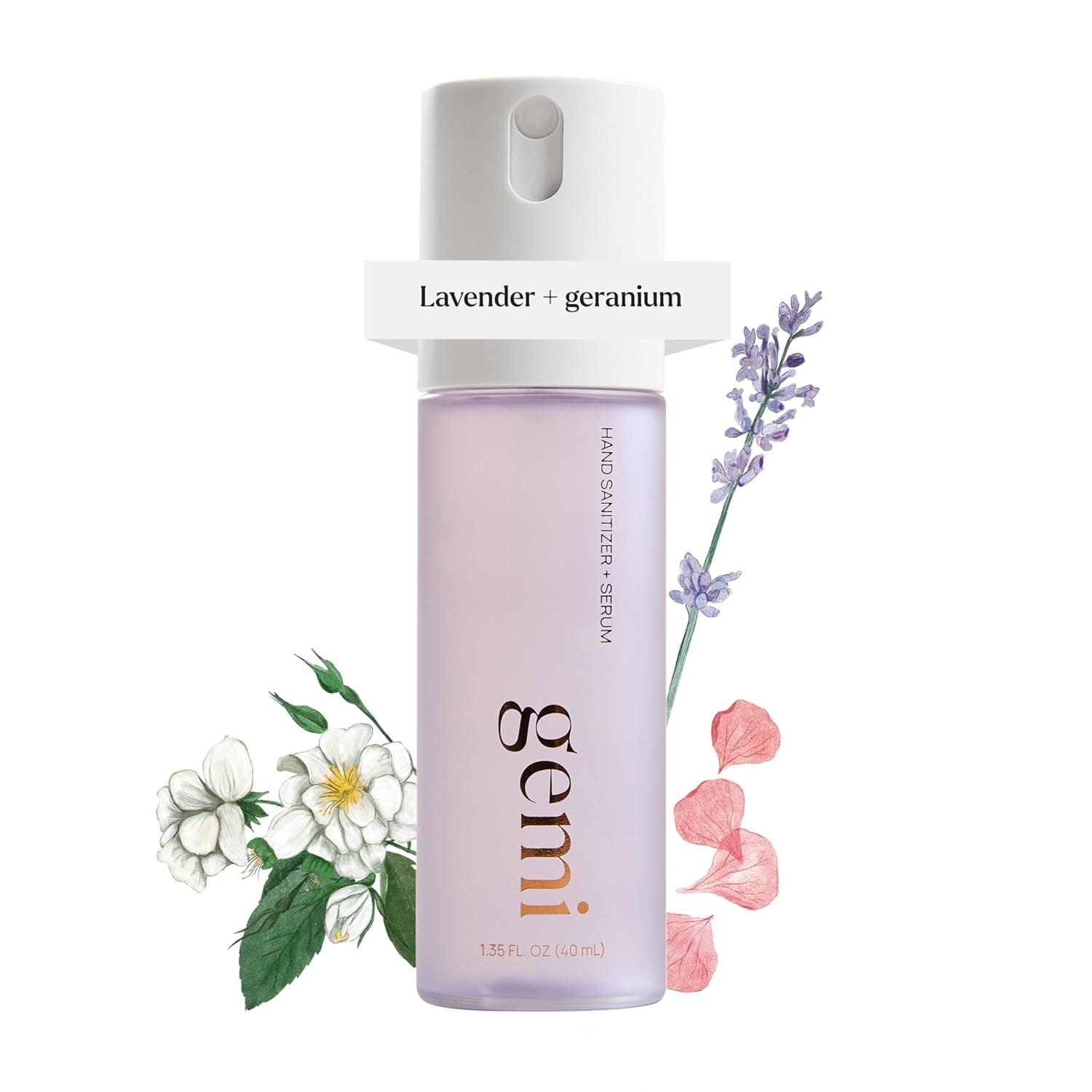
Wet Wipes
Perfect for cleaning sticky hands after eating gorditas, elote, churros, and other festival foods.
For All the Walking

Comfortable Walking Shoes
You will probably spend more time standing and walking than expected, so comfortable, broken-in shoes are a must.
Also remember to bring cash, since many food and game booths may not accept cards. A light jacket or sweater can also be helpful once the sun goes down and the temperature starts to cool off.
Kermés Photography Tips
If you're planning to capture memories or content for social media:
Golden hour is your friend. The lighting right before sunset is perfect for photos of the dancers, food, and crowds. Arrive around 5–6 PM if photography is important to you.
Get close to the action. The best photos aren't wide shots of the whole festival — they're close-ups of people actually experiencing it: eating gorditas, dancing, folklórico performers mid-spin, kids winning games, families laughing.
Bring a portable phone tripod. If you want to record videos of the folklórico dancers or live music, a lightweight tripod keeps your phone steady without tying up your hands.
Avoid the peak crowd times for photos. 6–8 PM is chaotic (everyone eating, lines everywhere). 8–10 PM, after people have eaten and the initial rush is over, is better for getting clean shots with less background clutter.
Respect performers. If folklórico dancers are performing, get your shots but don't block other people's views or get in the way of the performance.
Which Kermés Are Worth the Drive?
Central El Paso (shortest drive): St. Mark, St. Pius X, Holy Spirit, Cristo Rey, Our Lady of the Valley, Blessed Sacrament — all easy to access from most neighborhoods.
Worth the 20–30 minute drive: San Lorenzo in Clint (bigger festival, known for excellent carne asada), La Purísima in Socorro (larger celebration with more energy), Santa Rosa de Lima in Pecos (tighter community feel, unique experience).
Road trip territory (30+ minutes): Van Horn, Alpine, Sierra Blanca, Kermit, Presidio, Fabens — beautiful small-town kermés experiences, but plan accordingly if you're going. These are worth it if you're specifically planning a day trip or live in that direction, not as a casual drive.
Pro Tips for Your Kermés Experience
Go on a Friday or Sunday. Saturdays are the busiest, which means longer lines and more crowds. If you want a more relaxed experience, Friday afternoons (4–6 PM) or Sunday mornings/early afternoons (10 AM–1 PM) are your sweet spot.
Eat early. Food gets picked over as the night goes on, and some items run out. Eat dinner by 7 PM if you want the full selection. After 9 PM, you're picking from what's left.
Bring enough cash. You always spend more than planned. Budget at least $25–40 per person (food, games, maybe a drink or dessert). Bring it all in cash.
Go with the right people. You're going to be there for 2–4 hours standing around, eating, and watching. Make sure you're with people who are actually fun to spend time with.
Skip your expectations. Kermés aren't fancy or Instagram-perfect. Tables are plastic, the ground is dirt or gravel, it's loud, it's crowded, and that's exactly the charm. Come for the authentic experience, not for polished conditions.
Hit multiple ones if you can. Each kermés has its own personality and community. If you go to 3–4 different ones throughout the season, you'll notice the differences and find your favorites.
Final Thoughts
The 2026 kermés season is shaping up to be massive — the Diocese of El Paso is running nearly 30 parish bazaars from late July through mid-October. Whether you're a lifelong kermés-goer or experiencing your first one, these community festivals represent something uniquely El Paso: tradition, faith, family, delicious food, and genuine community celebration all rolled into one weekend.
Grab your crew, wear comfortable shoes, bring cash and sunscreen, and get ready for one of the best parts of living in El Paso. The kermés season is here.
See you there.
Disclosure: This post contains affiliate links. As an Amazon Associate I earn from qualifying purchases.