
A daily $5 latte habit adds up to over $1,800 a year — and that's before you factor in the drive to the coffee shop and the wait in line. A quality home espresso machine pays for itself within months if you're a regular coffee drinker, but only if you buy the right one for your skill level and budget. Here's a complete breakdown of the best home espresso machines in 2026, from beginner-friendly one-touch machines to serious upgrades for people who take their coffee seriously.
How We Picked These
Every machine on this list was evaluated based on shot quality, temperature consistency, steam wand/milk frothing performance, build quality, and long-term value — not just first impressions out of the box. We looked at machines ranging from under $300 to over $2,500 to cover every type of home coffee drinker, from total beginners to people ready to dial in their own extraction.
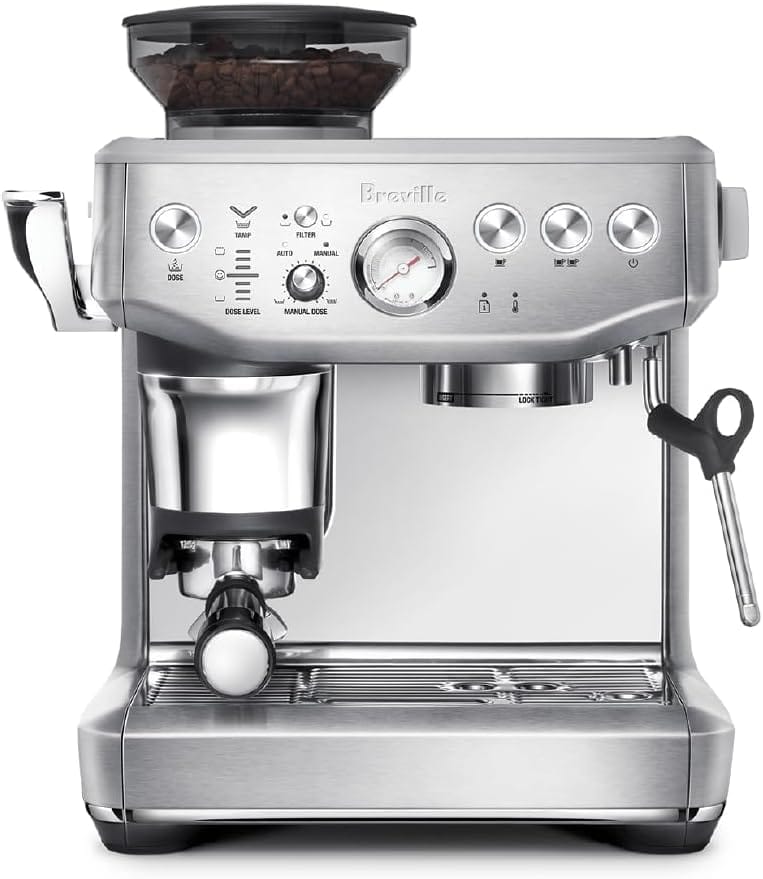
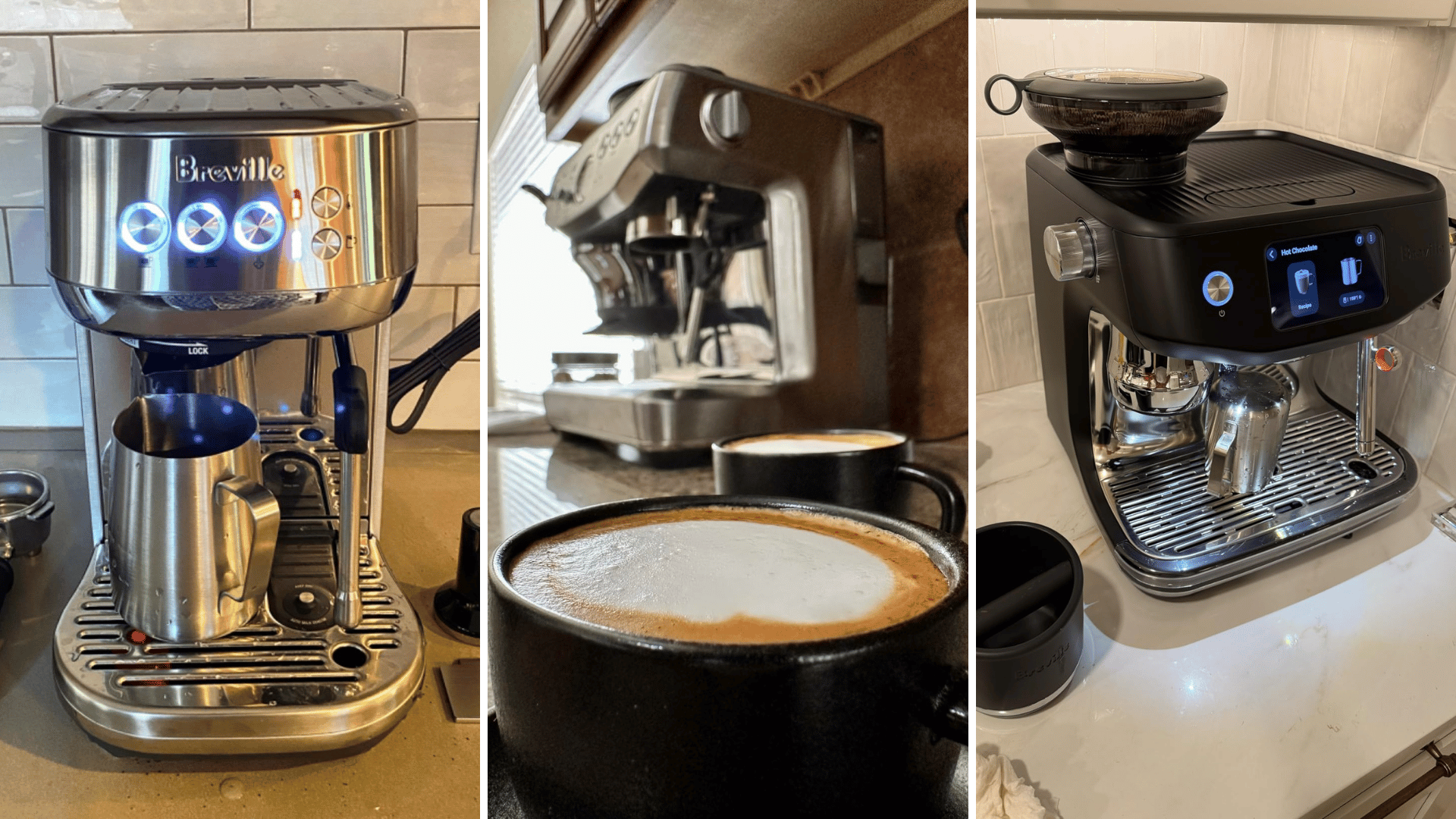
This is the machine most experts land on as the best all-around pick for home use, and it's easy to see why. It has a built-in conical burr grinder, precise PID temperature control, and a genuinely powerful steam wand — all in one compact package. The grind-to-cup convenience is rare at this price point, meaning you're not sacrificing shot quality for ease of use.
What makes it stand out: The automated assisted tamping system ensures consistent pressure every single time you pull a shot, which removes one of the biggest sources of inconsistency for home baristas. You get café-quality espresso without needing years of practice to dial in your technique.
Best for: Anyone who wants the full home barista experience — grinding, tamping, pulling shots, steaming milk — without needing to buy a separate grinder or spend months learning manual technique.
Downsides: The grinder isn't upgradeable if you eventually want to go higher-end, and there's still a learning curve to fully dial in your preferred shot profile.
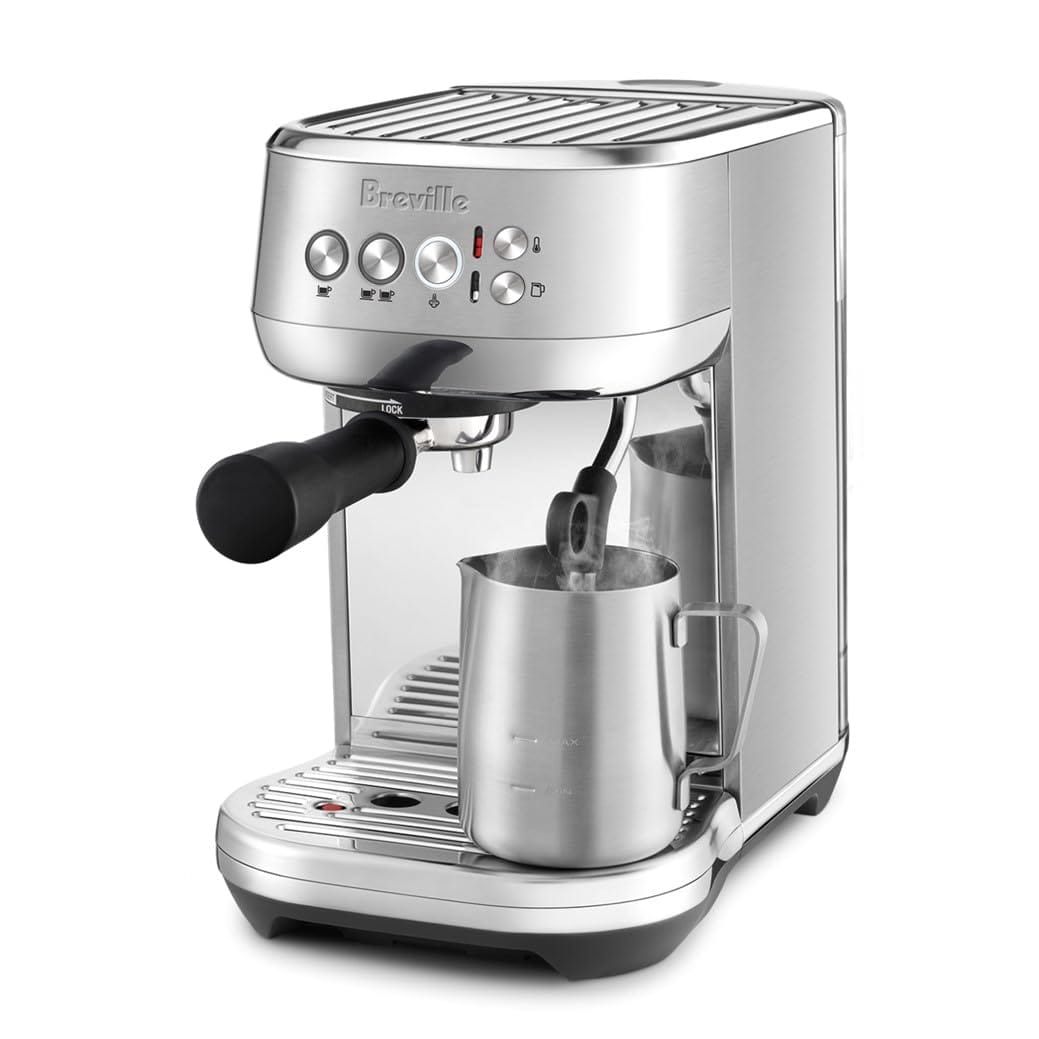
If counter space is limited, the Bambino Plus delivers serious performance in a genuinely small footprint. It heats up in as little as 3 seconds thanks to Breville's ThermoJet heating system, and the automatic milk frother produces consistently good microfoam for lattes and cappuccinos without requiring you to learn steam wand technique.
What makes it stand out: The speed. Most espresso machines require a warm-up period before you can pull a shot — this one is ready almost instantly, which matters a lot on a rushed weekday morning.
Best for: Small kitchens, apartments, or anyone who wants quality espresso without dedicating significant counter real estate to it.
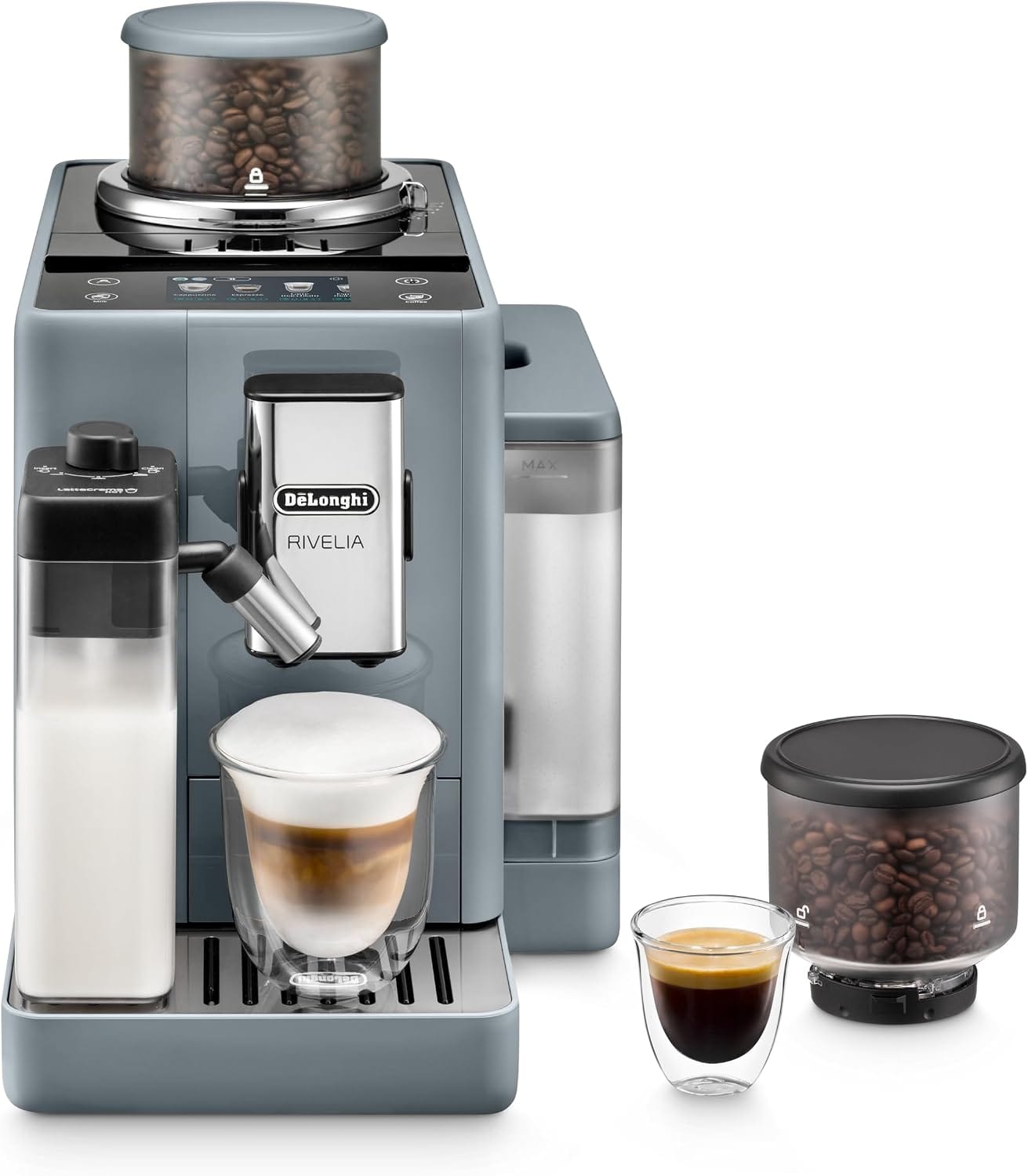
For people who want café-quality coffee without any manual steps, the Rivelia is a fully automated bean-to-cup machine with 18 pre-programmed drink recipes. Just press a button and get a macchiato, cappuccino, mocha, or straight espresso — the machine handles grinding, dosing, tamping, extraction, and milk frothing all on its own.
What makes it stand out: The sheer range of pre-programmed drinks rivals what you'd get from a professional café, and the shots are genuinely comparable in quality — not the watered-down flavor you might expect from a fully automatic machine.
Best for: Households where multiple people drink different coffee styles, or anyone who wants zero manual involvement in the process.
Downsides: Larger footprint than manual machines, and you lose some of the control that comes with manually dialing in your own shots.
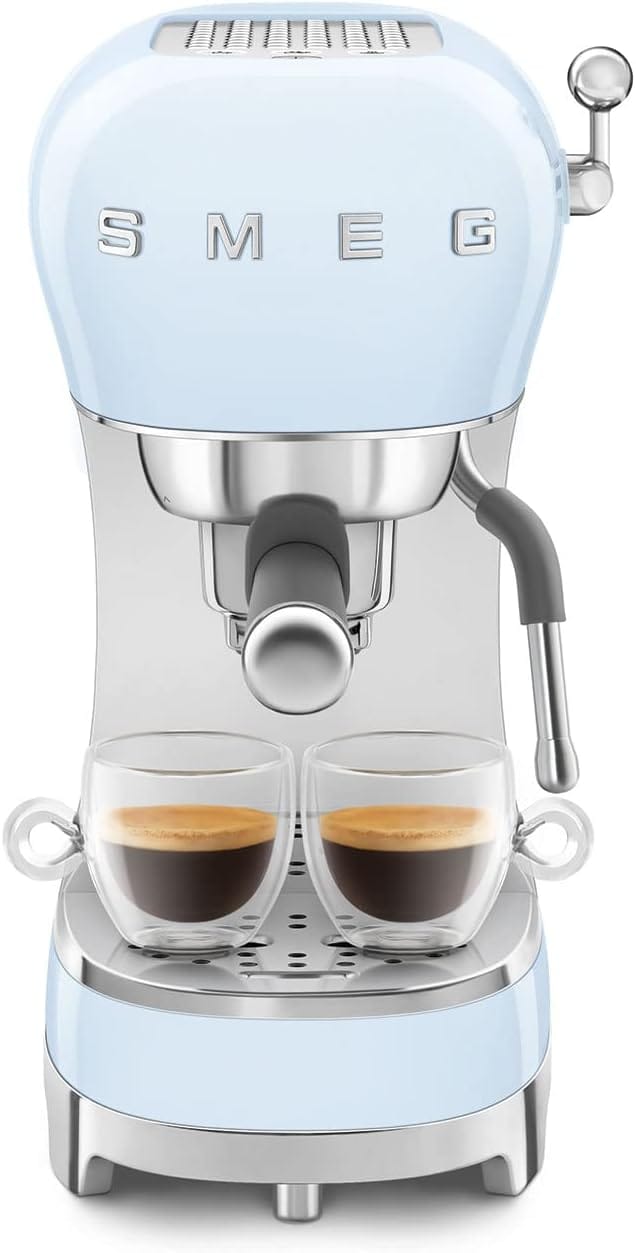
If you care about how your kitchen looks as much as how your coffee tastes, the Smeg delivers on both fronts. It has a genuinely stunning mid-century design that looks as good as the espresso tastes — and the espresso itself comes out smooth, balanced, with a rich caramel-colored crema on top.
What makes it stand out: A built-in milk frother that's powerful but easy to control, letting you customize foam texture (hot, thick, or cold) depending on the drink you're making. The setup process even includes a guided video accessible via QR code on the box, which is a nice touch for first-time espresso machine owners.
Best for: Anyone who wants their espresso machine to double as a genuine kitchen centerpiece, not just a functional appliance tucked in a corner.
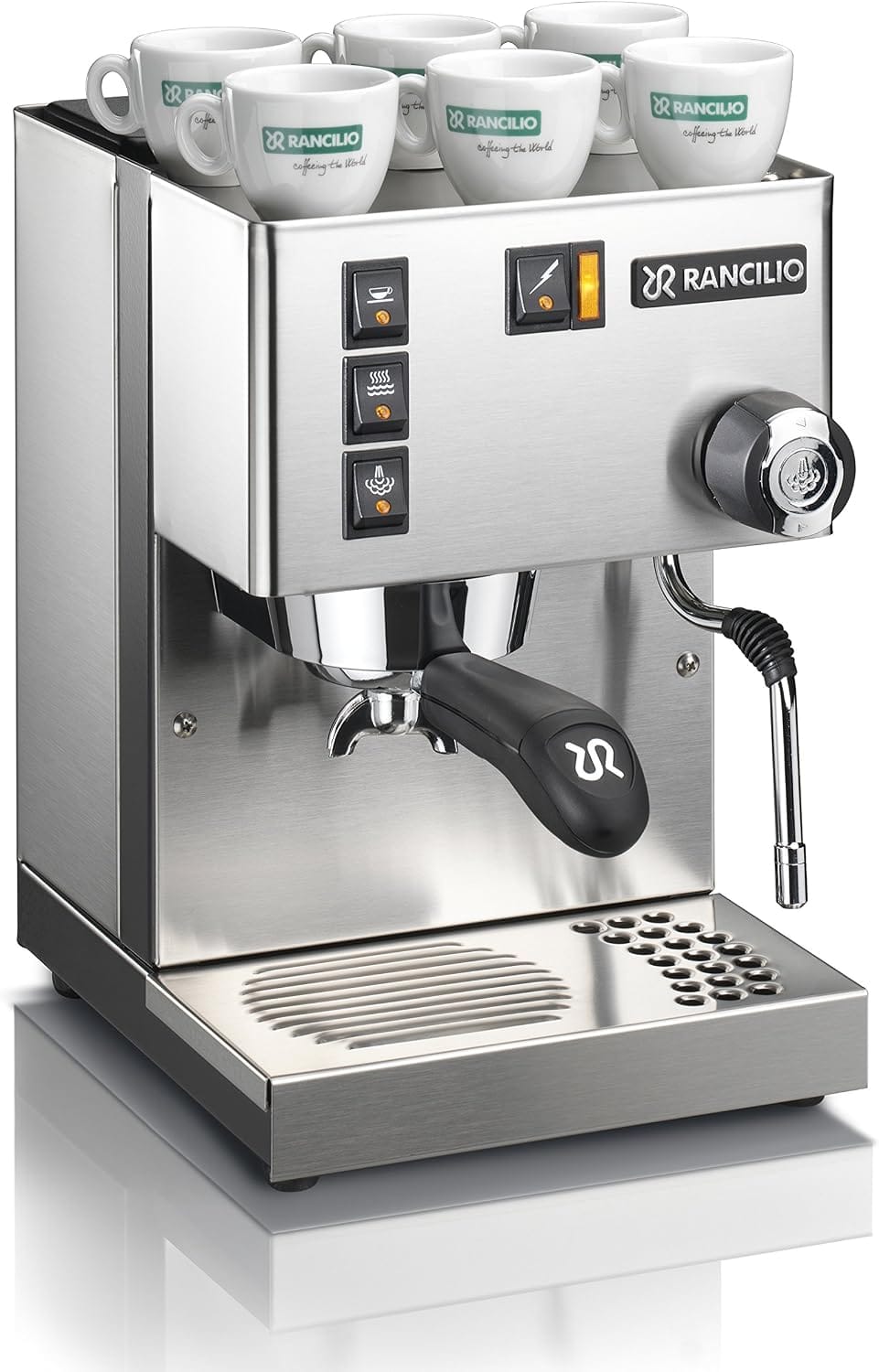
A longtime favorite in the home espresso community, the Rancilio Silvia is a manual machine built with genuinely durable, commercial-grade internals. It doesn't come with a built-in grinder or automated features — you're doing the work — but the build quality and consistency make it a machine people keep for years, not something that gets replaced after 18 months.
What makes it stand out: The stainless steel boiler and commercial-style components mean this machine is built to be maintained and repaired rather than replaced, which matters if you're thinking long-term value instead of just the sticker price.
Best for: Coffee enthusiasts who want to learn real manual espresso technique and don't mind a learning curve in exchange for machine longevity.
Downsides: No built-in grinder (you'll need to buy one separately), and it does require regular maintenance to keep performing well over time.
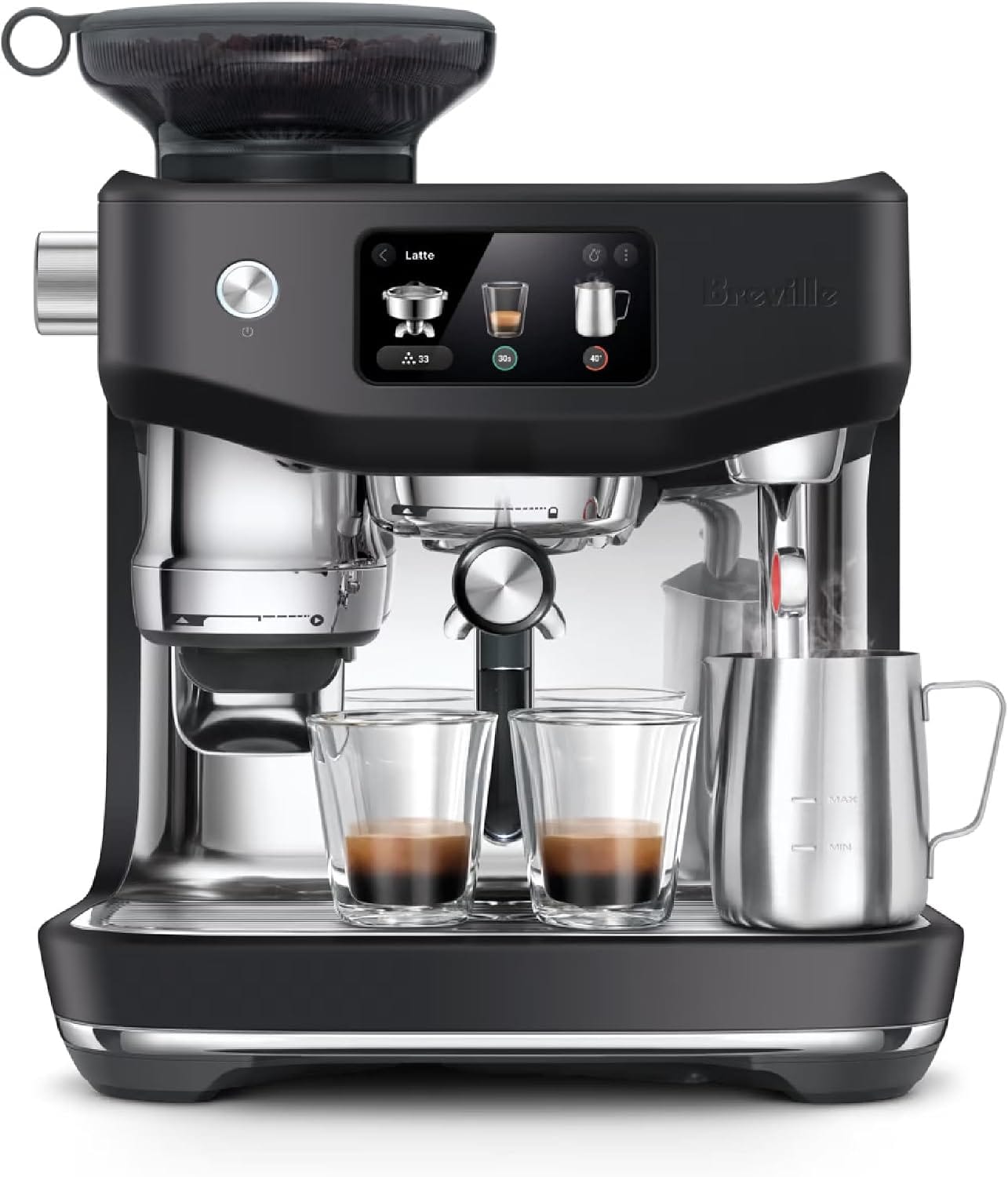
For serious home baristas ready to invest in a machine that rivals commercial café equipment, the Oracle Jet is a fully automated grind-to-cup machine that still gives you dual boiler precision and professional-level control. It handles grinding, dosing, tamping, extraction, and steaming all with minimal manual input, but doesn't compromise on shot quality to get there.
What makes it stand out: Dual boiler technology means you can pull a shot and steam milk simultaneously — no waiting for the machine to switch modes, which is exactly how professional café machines operate.
Best for: Serious home coffee drinkers who want commercial-level performance and are willing to invest accordingly.
How to Choose the Right Espresso Machine for You
If you're a total beginner: Start with a machine that has automated features — a built-in grinder, assisted tamping, and an automatic milk frother (like the Breville Barista Express Impress or De'Longhi Rivelia). You'll get consistent, quality shots without needing to learn manual technique first.
If counter space is limited: Compact machines like the Breville Bambino Plus deliver real performance without eating up your entire counter.
If you want zero manual involvement: Fully automatic bean-to-cup machines (De'Longhi Rivelia, Breville Oracle Jet) handle everything from grinding to milk frothing at the touch of a button.
If you want to learn real barista technique: Manual machines like the Rancilio Silvia force you to learn tamping, extraction timing, and steam wand technique — which is genuinely rewarding if you're interested in the craft, but does come with a learning curve.
If build quality and longevity matter most: Machines with commercial-grade internals (Rancilio Silvia) and stainless steel components are built to be repaired and maintained over years, not replaced every couple of years.
If design matters as much as function: The Smeg Manual Espresso Machine gives you genuine café-quality espresso in a machine that looks like a design piece, not just an appliance.
What Actually Matters When Buying an Espresso Machine
Temperature stability (PID control). Inconsistent temperature is one of the biggest causes of bad-tasting shots. Machines with precise PID temperature control (like the Barista Express Impress) maintain consistency shot after shot.
Steam wand / milk frothing quality. If you drink lattes, cappuccinos, or macchiatos regularly, the quality of the steam wand or automatic frother matters as much as the espresso itself. Look for machines that produce genuine microfoam, not just bubbly milk.
Grinder quality (if built-in). A built-in grinder with ceramic or steel conical burrs holds its calibration better over time than cheaper blade grinders, which directly impacts shot consistency.
Build materials. Stainless steel components and commercial-grade internals cost more upfront but last significantly longer than machines built with lighter-duty plastic parts.
Ease of cleaning. Machines with removable, dishwasher-safe milk systems save you significant time in daily maintenance — this matters more than people expect once the daily routine sets in.
Final Thoughts
The best home espresso machine for you depends entirely on how involved you want to be in the process. If you want café-quality coffee with zero manual effort, go fully automatic. If you're interested in learning the craft and don't mind a learning curve, a manual machine like the Rancilio Silvia will serve you for years. And if you just want reliably great espresso without overthinking it, the Breville Barista Express Impress remains the standout all-around pick for most home coffee drinkers in 2026.
Whichever you choose, the math is simple: if you're currently spending $5+ a day on coffee shop lattes, even a $500-800 machine pays for itself within the year — and every cup after that is basically free.
Frequently Asked Questions About Home Espresso Machines
How Much Should I Spend On A Home Espresso Machine?
For a genuinely good daily espresso setup, expect to spend $300-800. Machines under $200 usually compromise heavily on temperature stability and build quality. If you're serious about coffee long-term, $500-1,500 gets you a machine that will last years without needing replacement.
Do I Need A Separate Grinder?
If your machine doesn't have a built-in grinder, yes — and it matters more than people expect. Pre-ground coffee goes stale within days and can't be dialed in for your specific machine. A decent burr grinder is one of the highest-impact upgrades you can make to shot quality.
What's The Difference Between A Manual And Fully Automatic Espresso Machine?
Manual machines require you to grind, dose, tamp, and control extraction yourself — more control, more learning curve. Fully automatic (bean-to-cup) machines handle all of that at the push of a button, trading some control for convenience and consistency.
Is A Built-in Grinder Worth It, Or Should I Buy One Separately?
A built-in grinder is convenient and saves counter space, but a standalone grinder can usually be upgraded independently of your espresso machine. If you think you'll want to upgrade your grinder down the line without replacing the whole machine, a separate grinder gives you more flexibility.
How Long Does It Take To Learn To Pull A Good Shot?
On a manual machine, expect a few weeks of practice to consistently dial in extraction time, grind size, and tamping pressure. Machines with assisted tamping or PID temperature control shorten that learning curve significantly.
Do Espresso Machines Actually Save Money Over Coffee Shop Visits?
Yes, for regular coffee drinkers. A daily $5-6 latte habit adds up to $1,800-2,000+ per year. Even a $600-800 machine typically pays for itself within 6-12 months if you're buying coffee out most days.
How Often Do Espresso Machines Need Maintenance?
Regular descaling (monthly to quarterly depending on water hardness and usage) is essential for any machine. Machines with removable, dishwasher-safe parts cut down on daily cleaning time significantly.
What's The Ideal Water To Use In An Espresso Machine?
Filtered water is strongly recommended over tap water, especially in areas with hard water. Mineral buildup from hard water is one of the most common causes of machine breakdown and reduced lifespan.
Disclosure: This post contains affiliate links. As an Amazon Associate I earn from qualifying purchases.